





Magazine
Something to Wear Gift Ideas
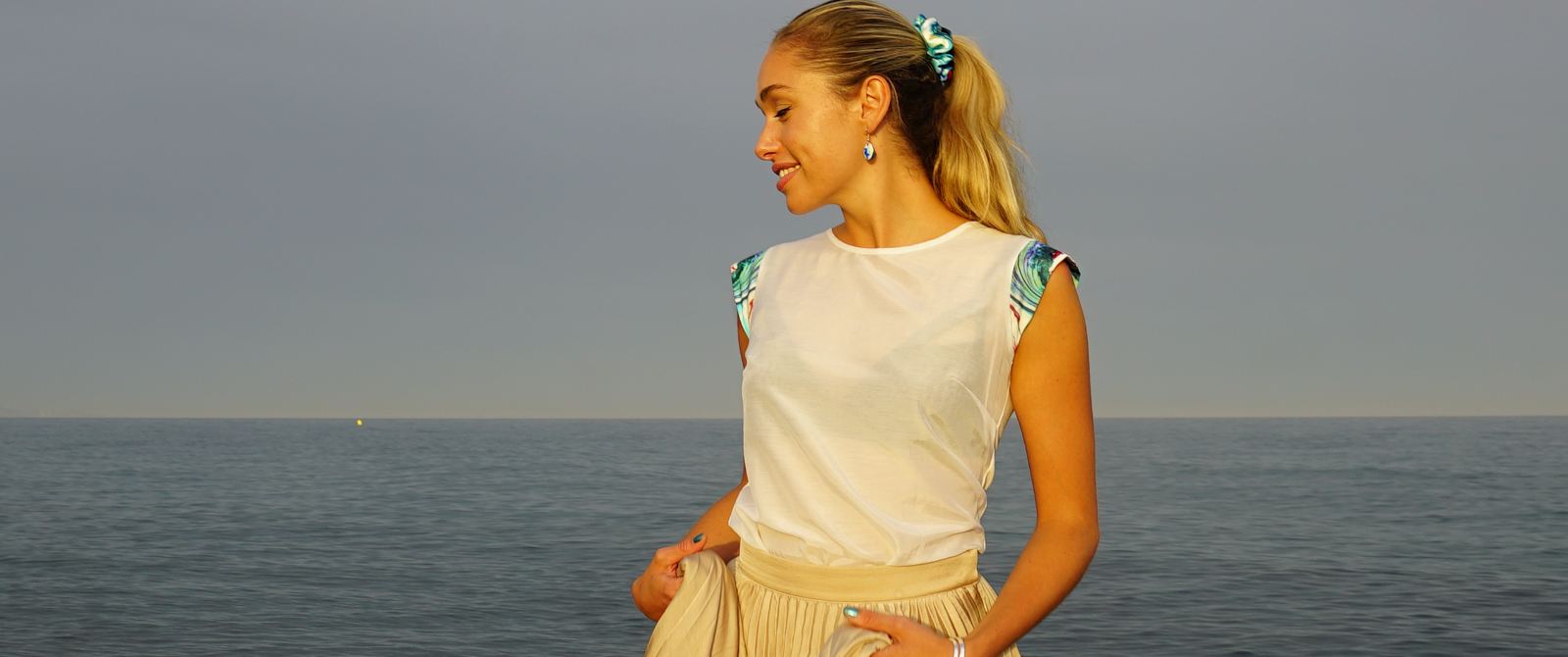
A gift to wear is chosen differently.
Not for the moment it is given, but for the way it will continue through days, through repetition, through use. Material, weight, colour: these are what remain when the occasion has passed.
Some pieces are worn once. Others settle naturally into daily life, without effort, without reconsideration.
The difference is not in the category. It is in how the object is made.
Jewellery That Becomes Part of Everyday Life
Jewellery is often chosen as a gift because of its scale. It is small, precise, and immediate. It does not require space. It does not depend on context.
But what makes a piece remain is something else.
The balance of the metal.
The depth of the colour.
The way it sits, without adjustment.
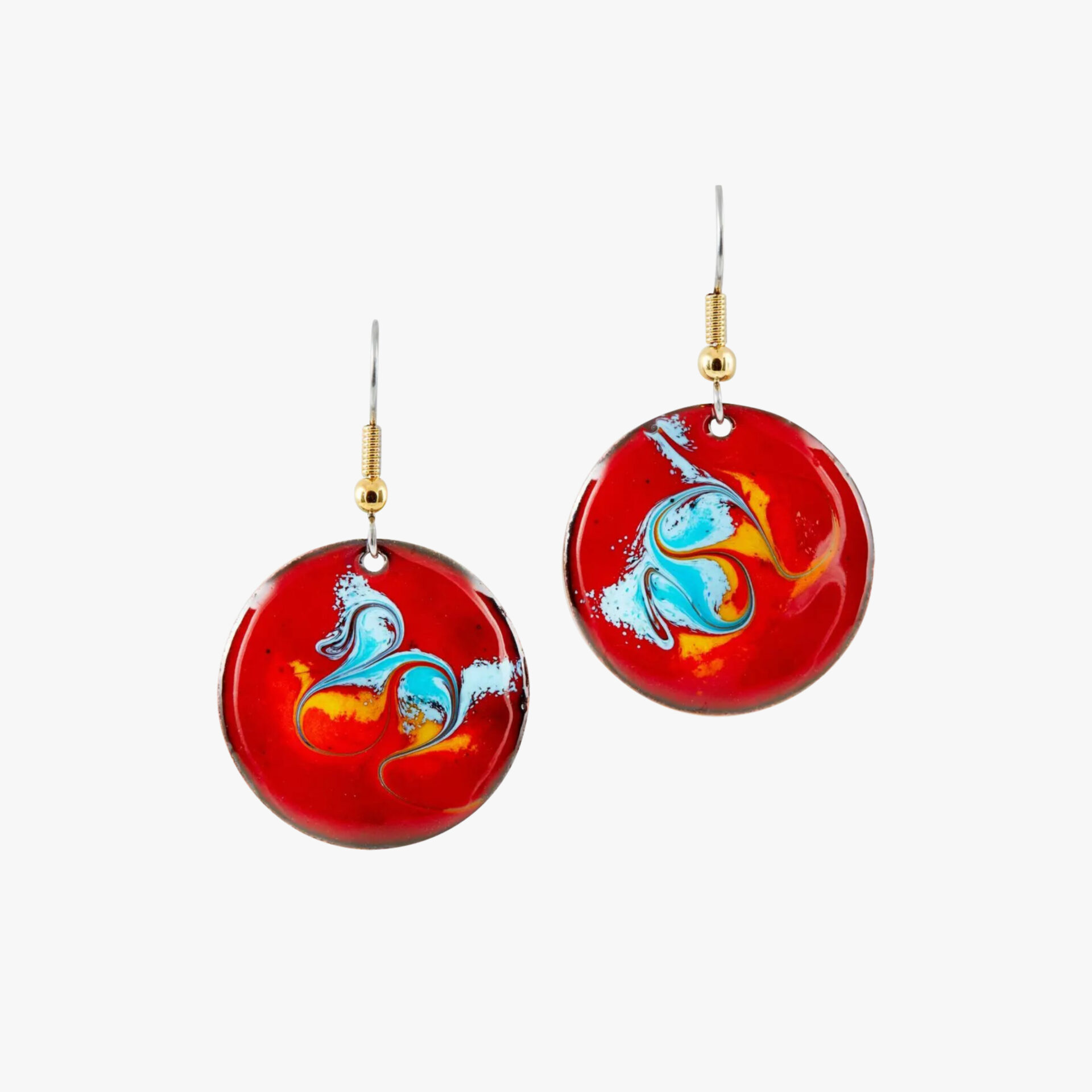
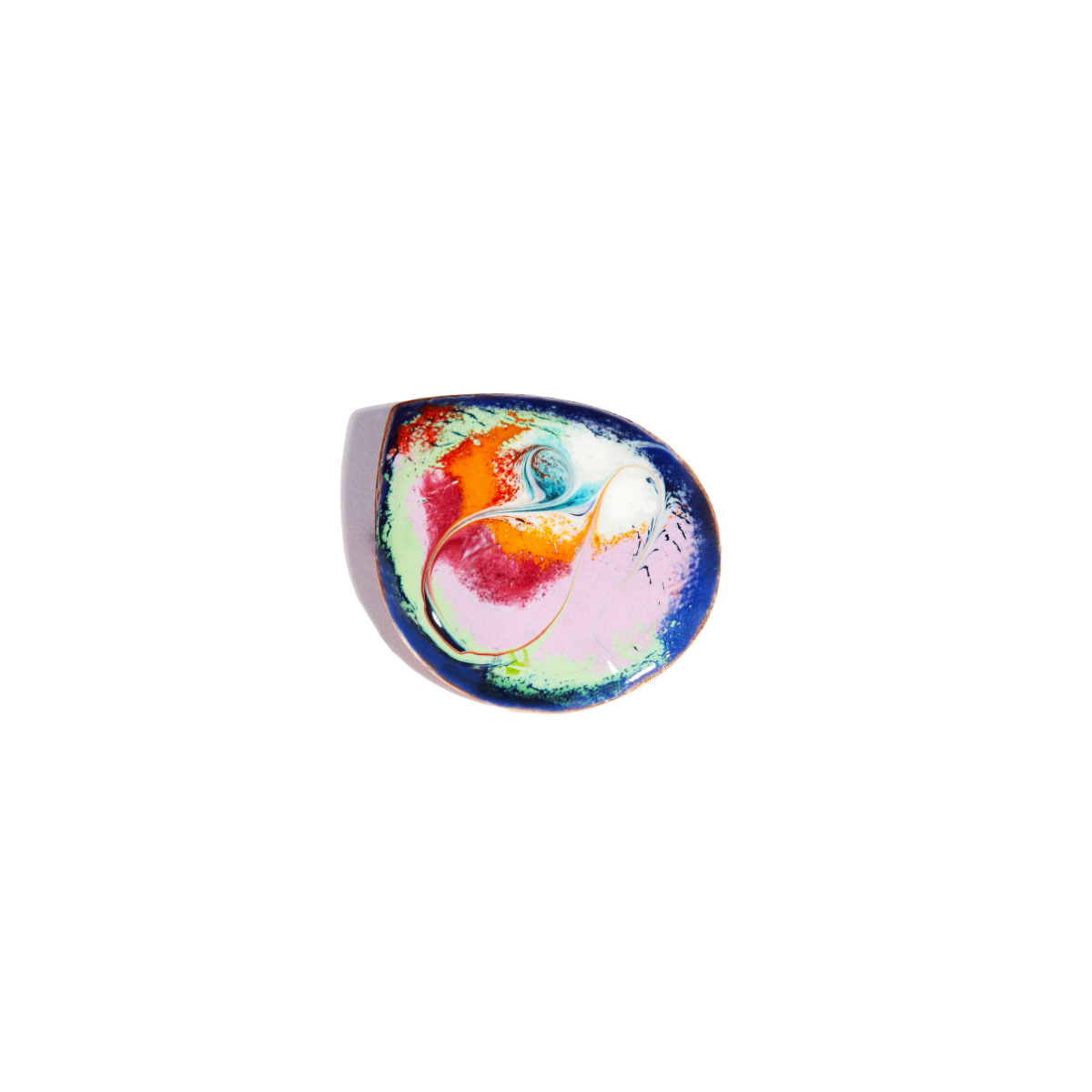
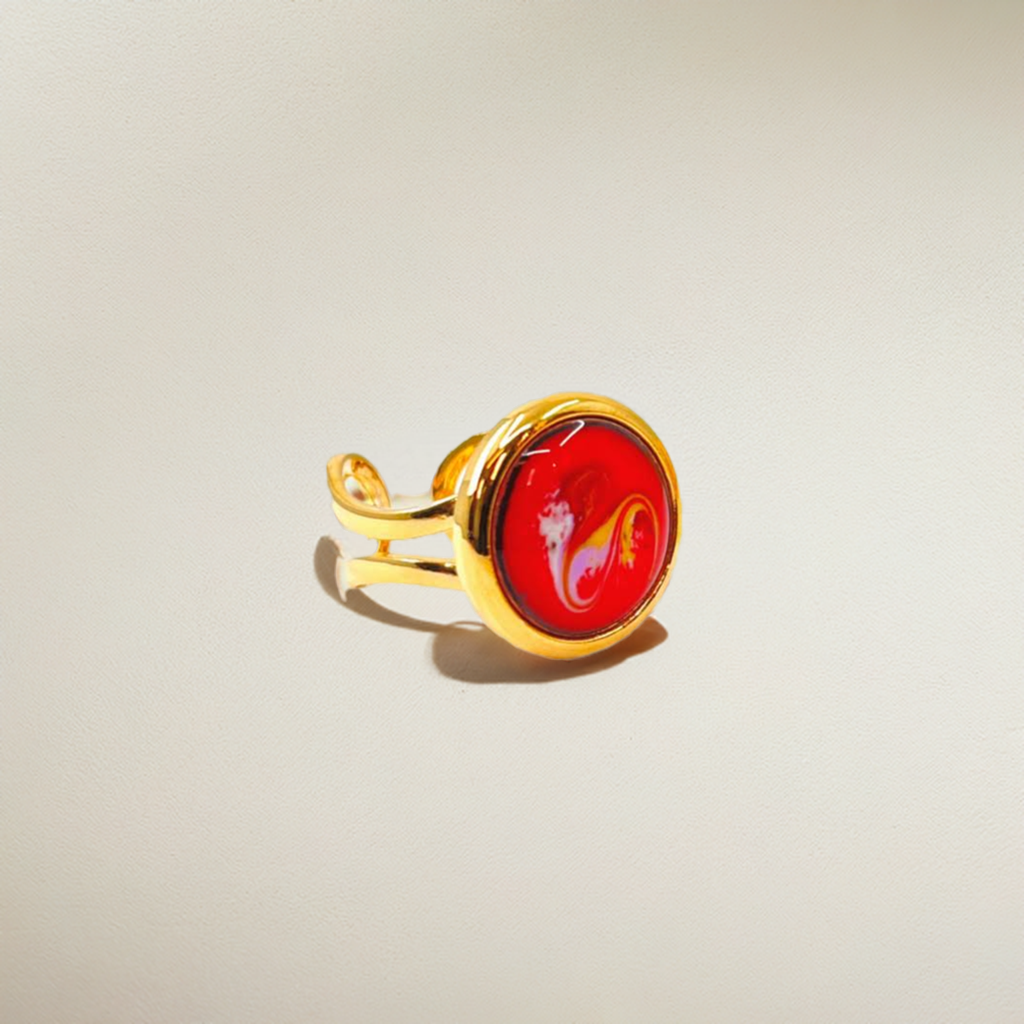
Enamel, when worked in layers and fixed by heat, develops a surface that cannot be reproduced mechanically. The tone is built progressively. Slight variations appear. Not as decoration, but as the result of making.
Over time, this matters more than the initial impression.
A piece that is resolved correctly does not feel new after a week. It feels established.
-

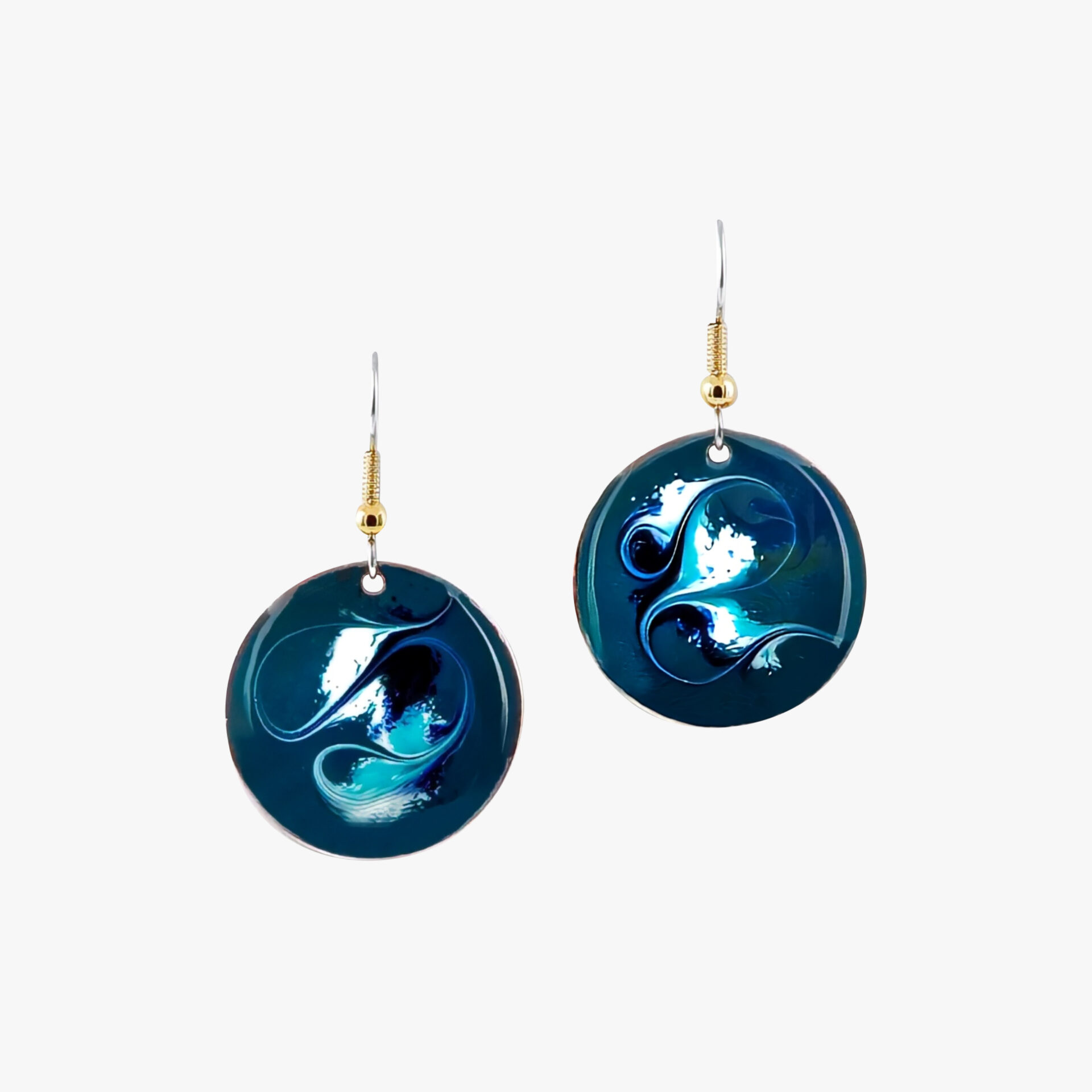
Children Of Lir Dark Blue Drop Earrings
€29.99 -
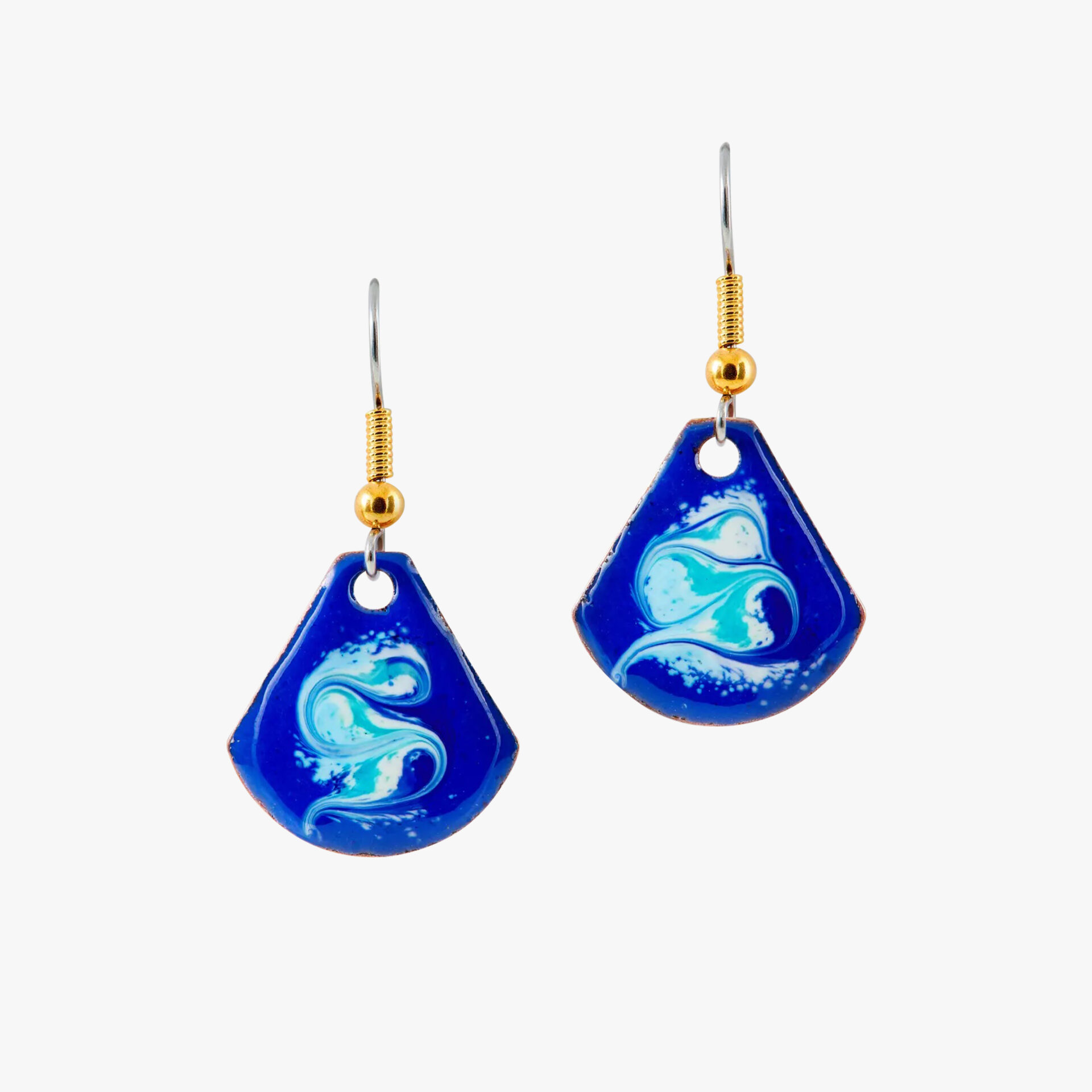
Wild Atlantic Cobalt Blue Drop Earrings
€25.99 -
Derravaragh Bluebell Drop Earrings
€25.99 -
Ceres Turquoise Drop Earrings
€24.95 -
Megouna Pinky Purple Drop Earrings
€25.99 -
Isabela Turquoise Drop Earrings
Price range: €26.99 through €29.99 -
Ruby Slippers Drop Earrings
€25.99 -
Cotopaxi Red Drop Earrings
€25.99 -
Naomi Black Drop Earrings
€25.95 -
Buttercup Small Yellow Drop Earrings
€25.99
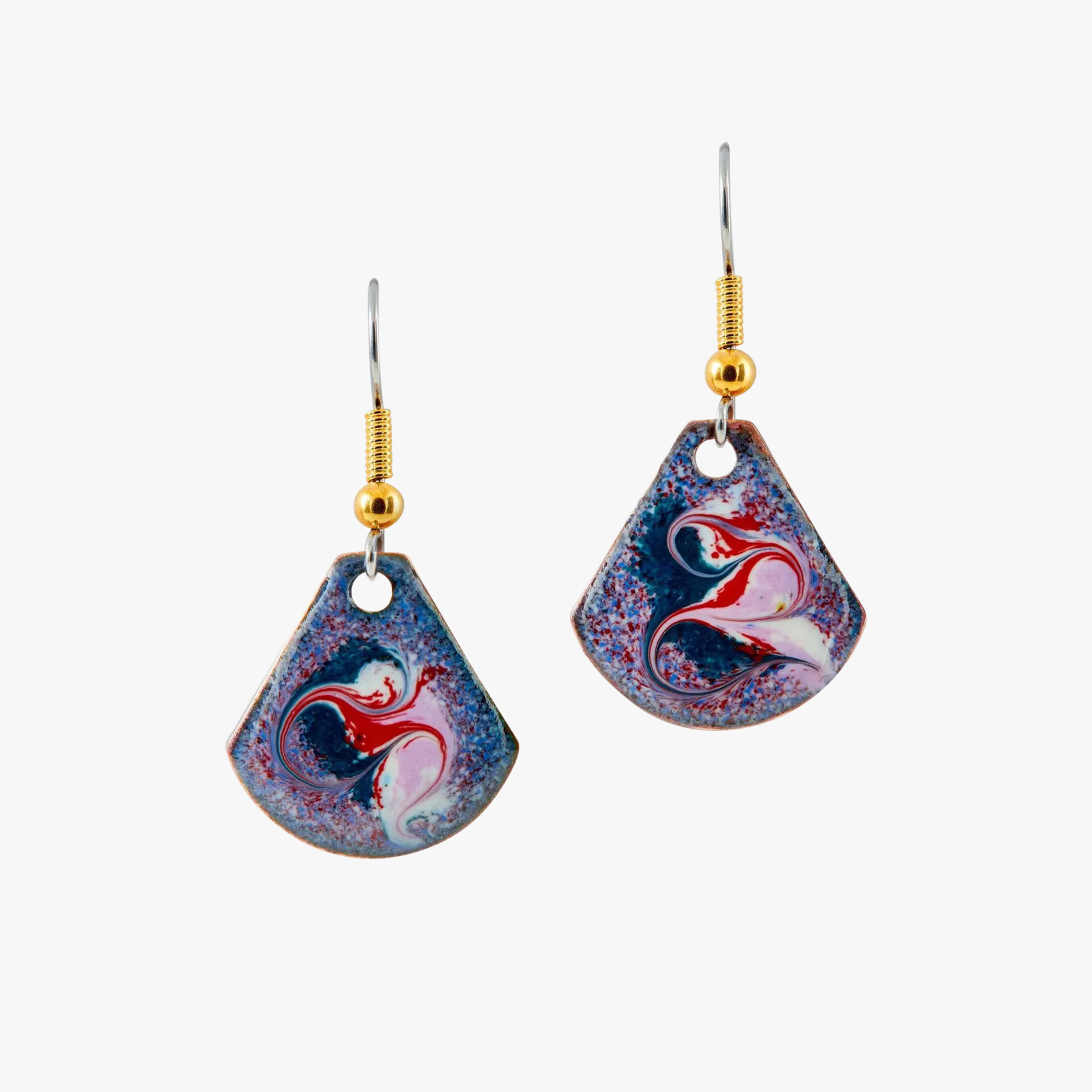
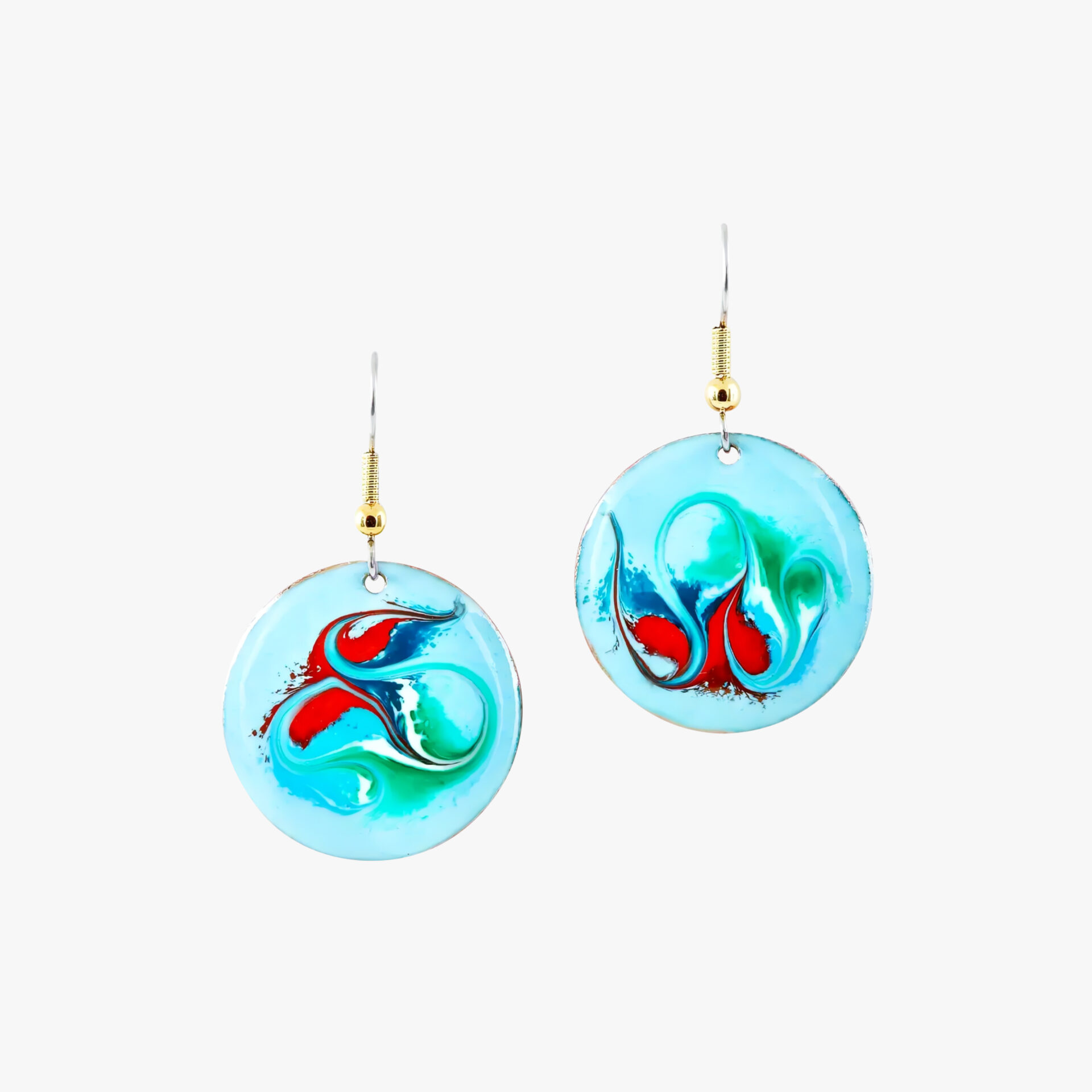
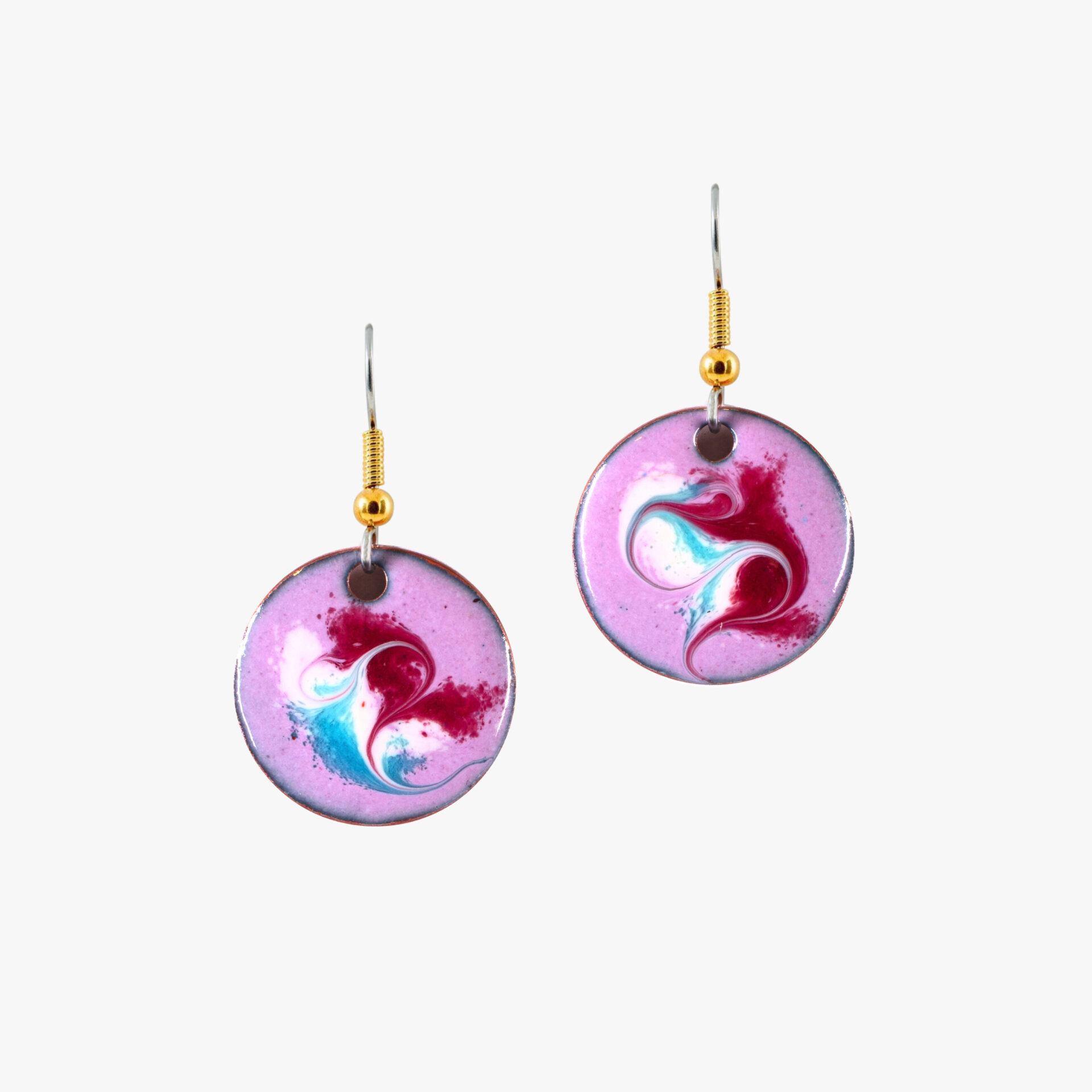
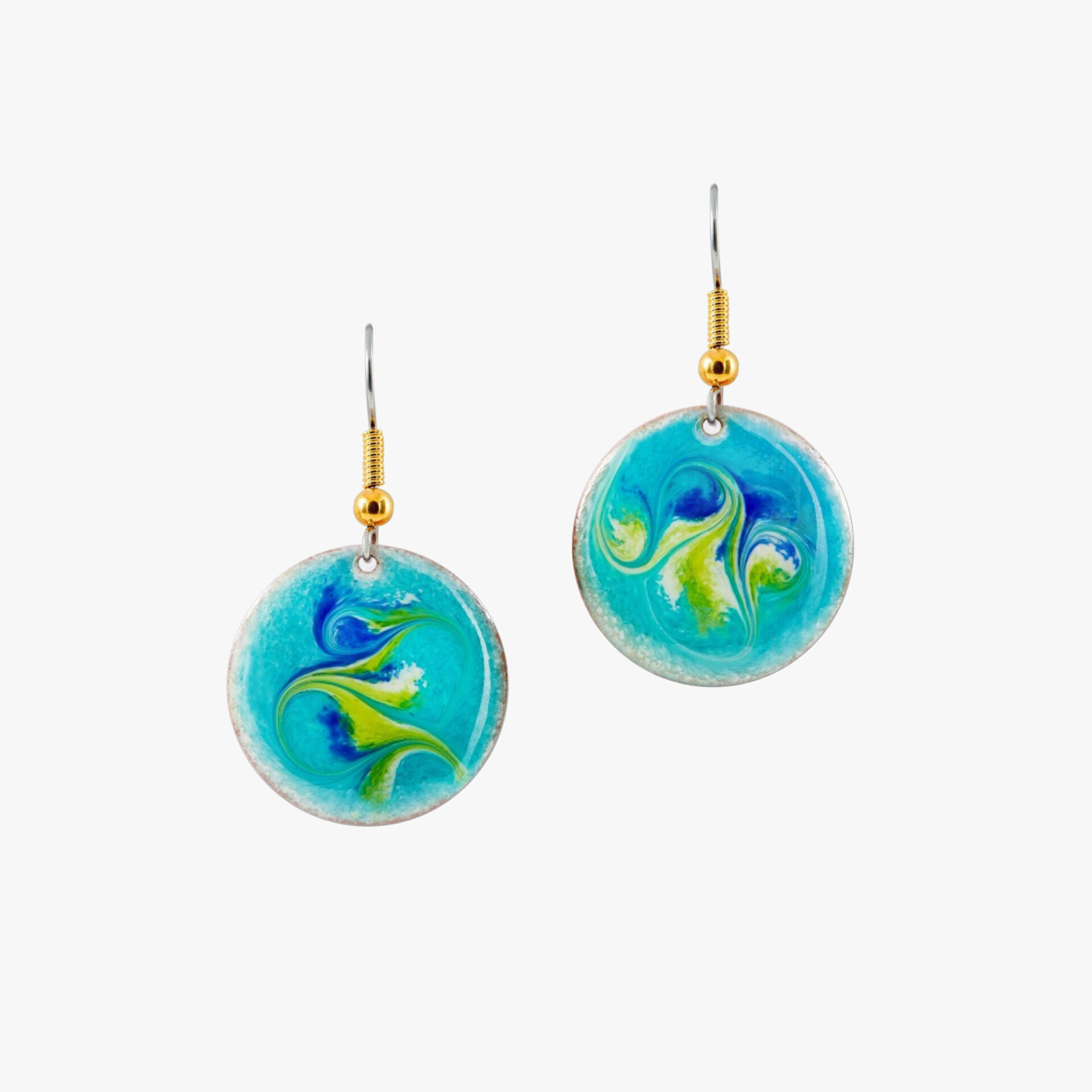
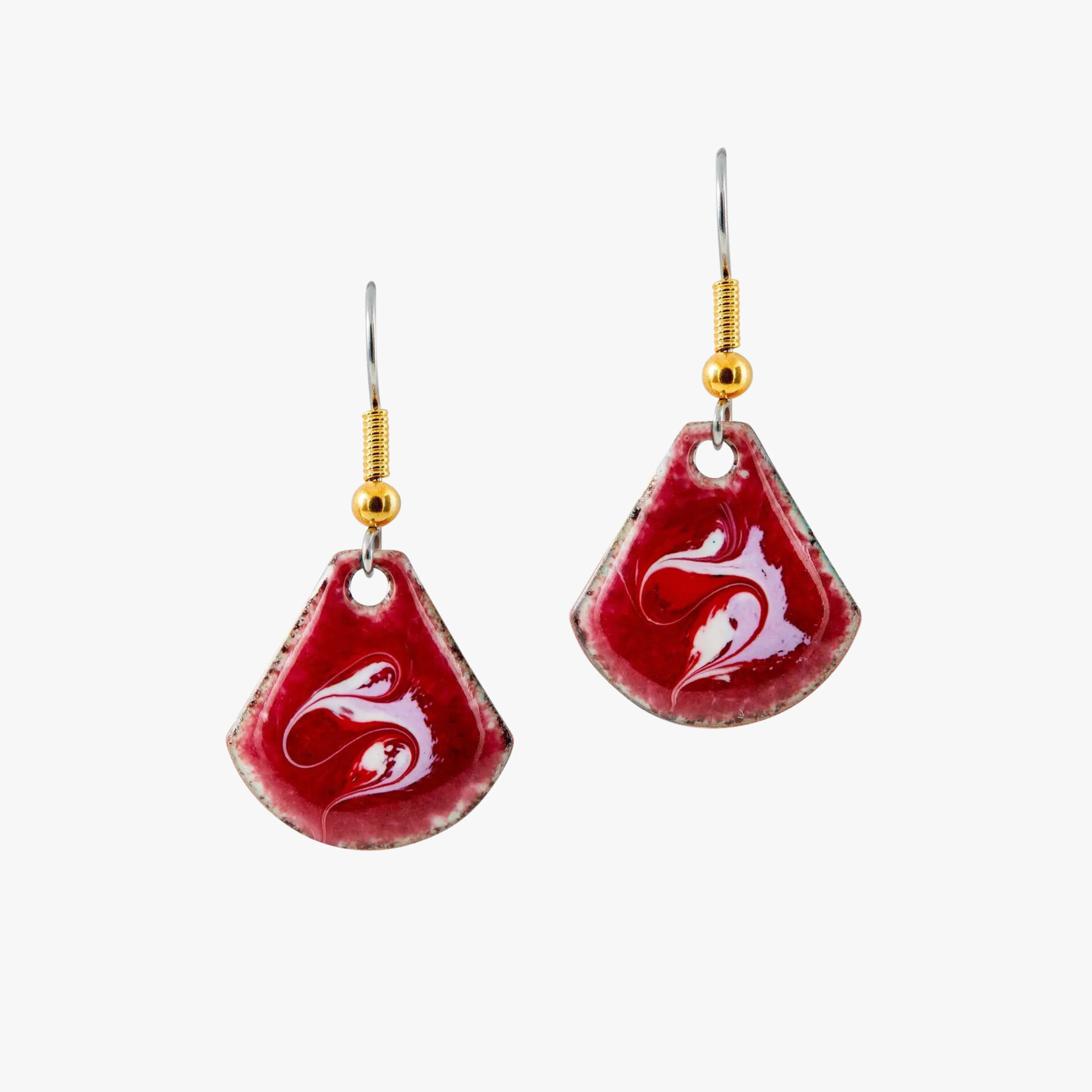
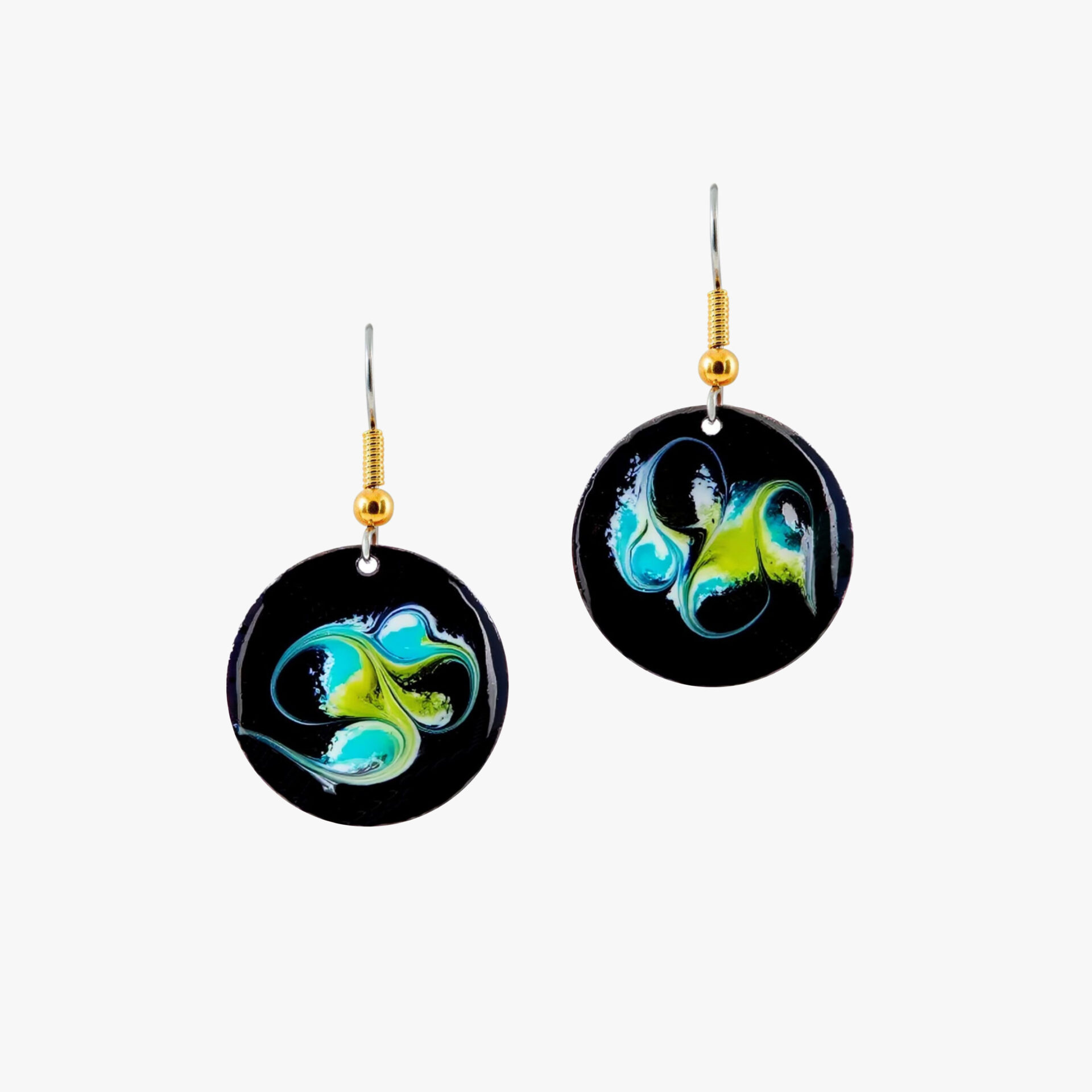
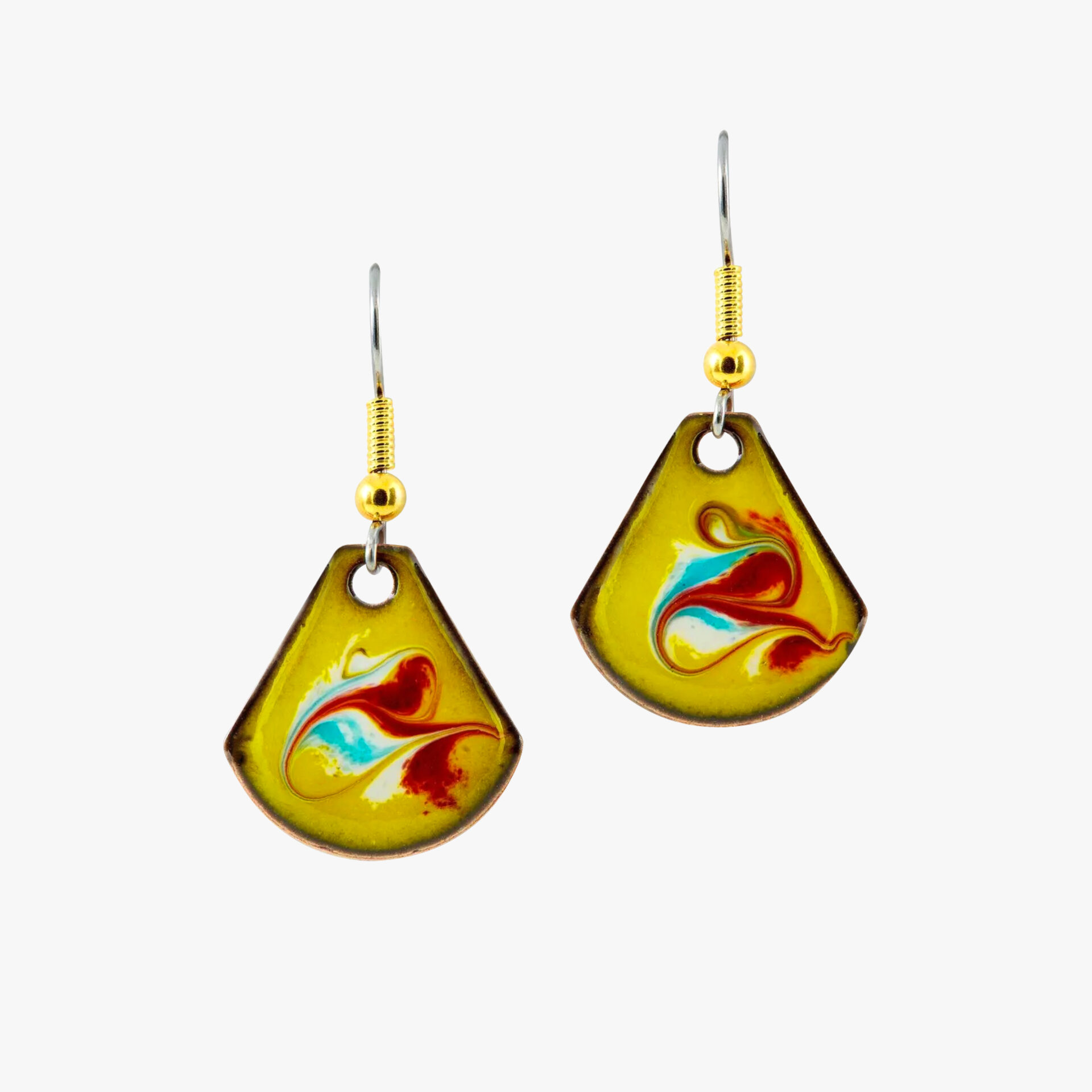
Earrings: A Visible, Immediate Gift
Earrings are often the most direct choice.
They do not depend on sizing.
They are visible without effort.
They introduce colour in a controlled way.
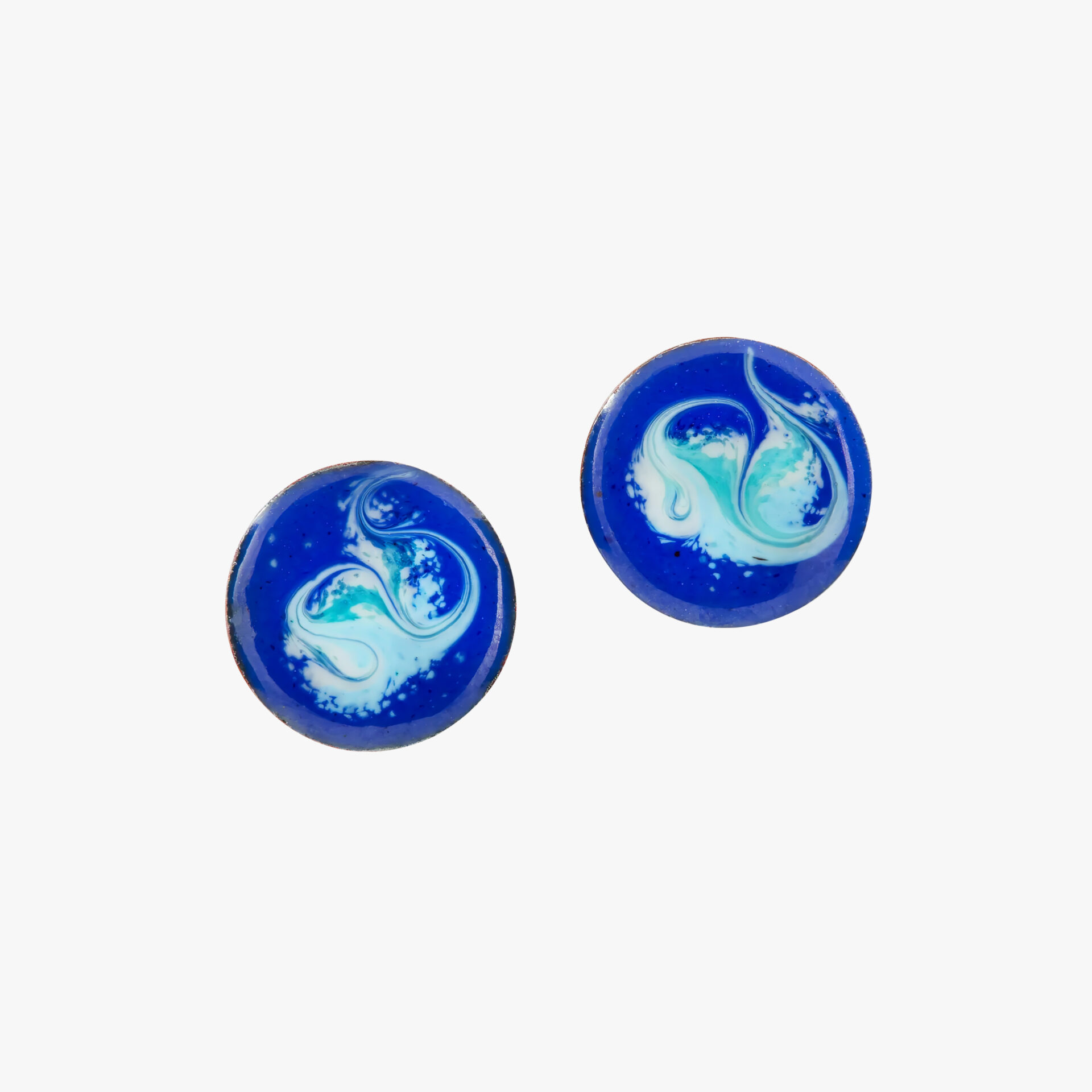
Studs remain close to the ear, stable and continuous. They tend to disappear into daily routine.
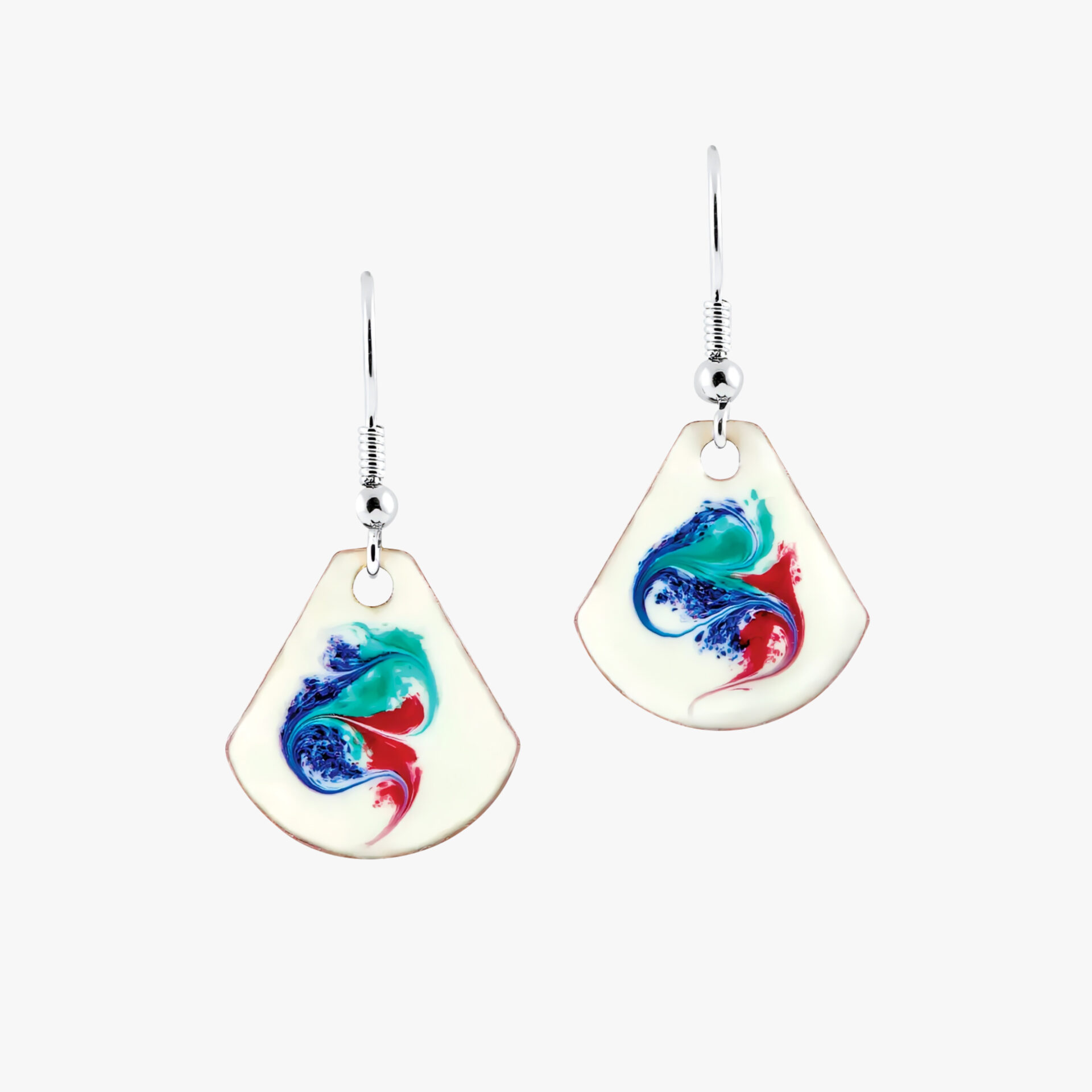
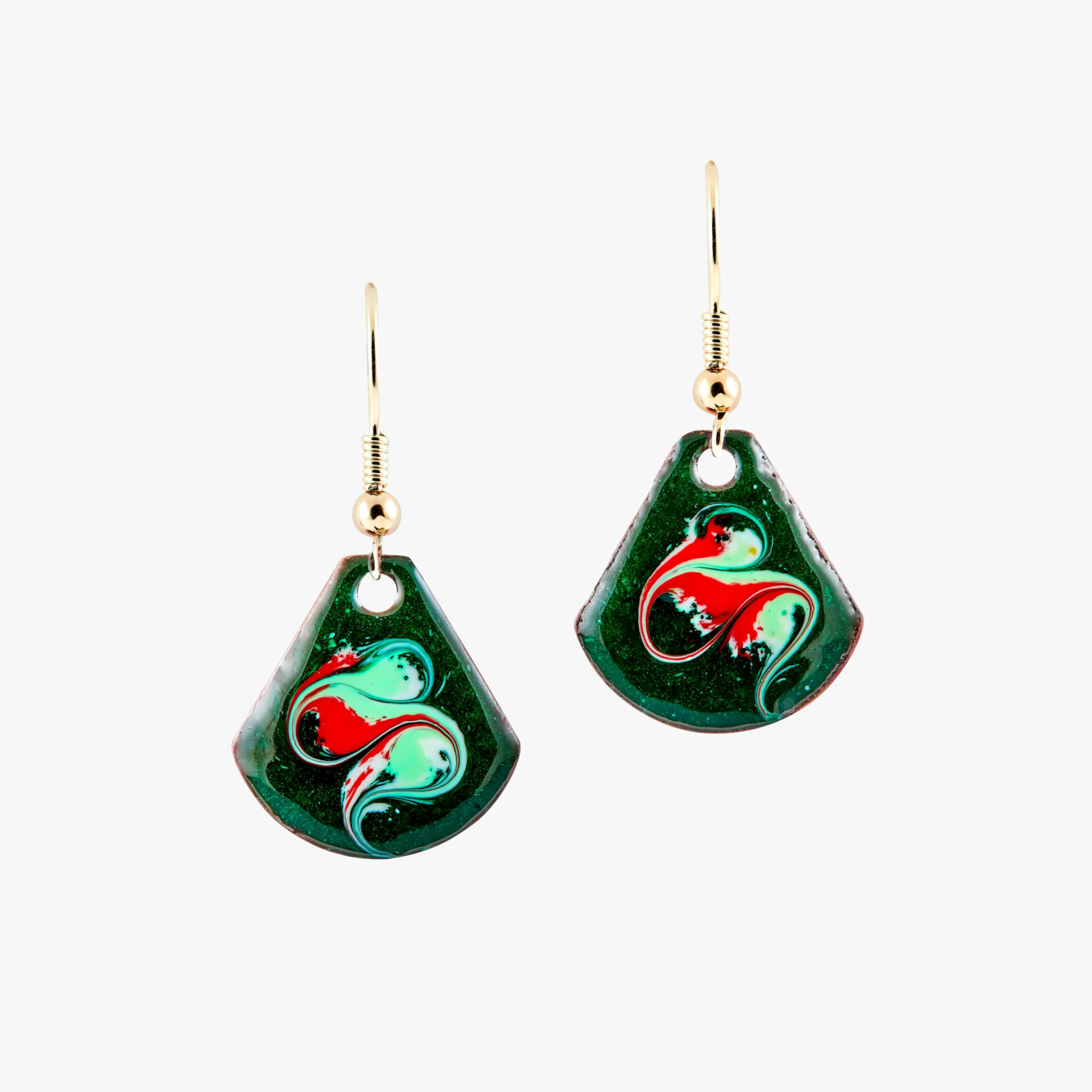
Drop earrings move differently. Their presence shifts with light and motion. When enamel is used, colour develops with more depth across the surface.
This movement is subtle, but it changes how the piece is perceived. Not fixed, but responsive.
A well-made pair does not try to stand out. It is noticed because of how it holds together.
Necklaces: A More Personal Choice
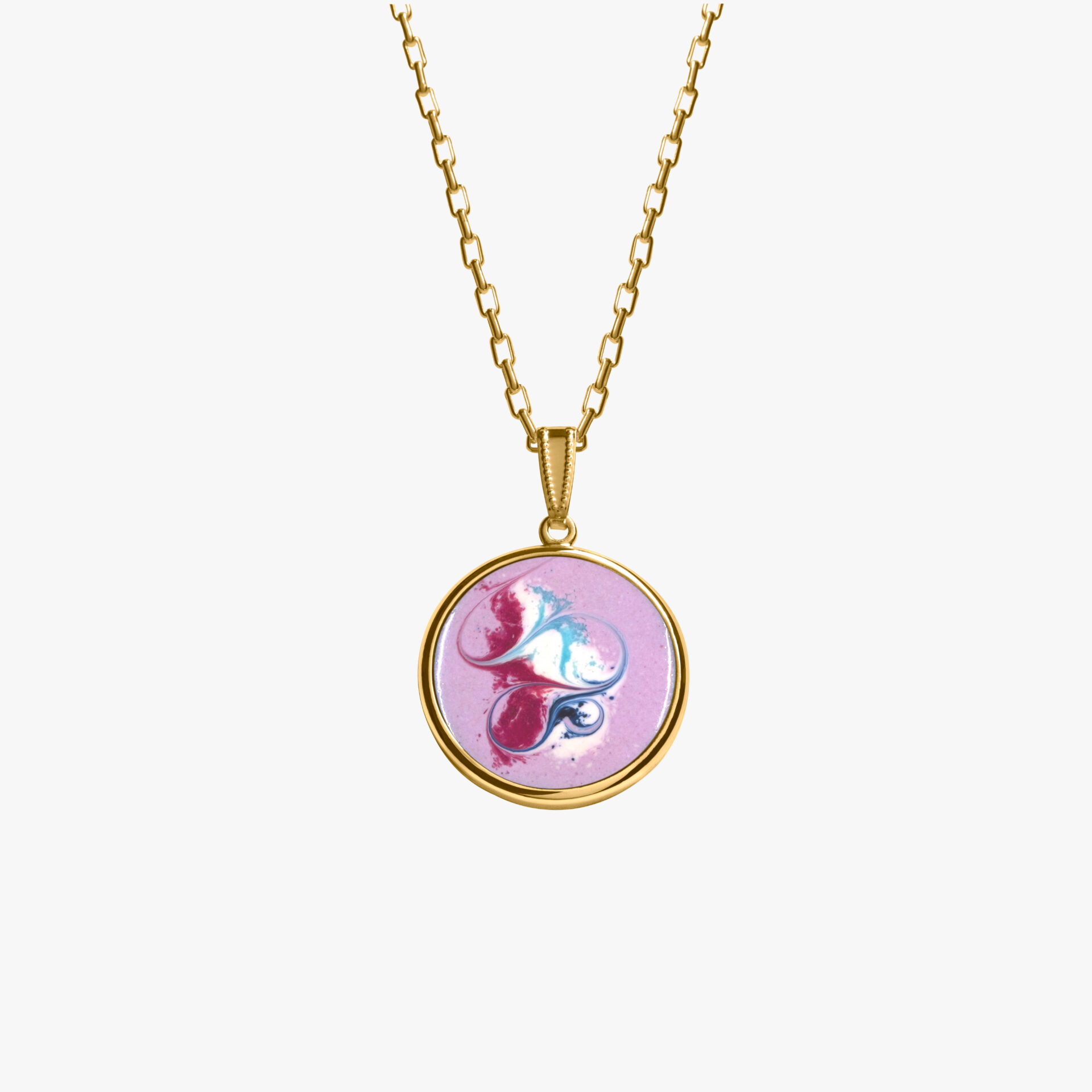
A necklace sits closer to the centre of the body.
Its presence is quieter, but more constant.
Length defines its role. A shorter chain remains visible. A longer one moves with posture and clothing.
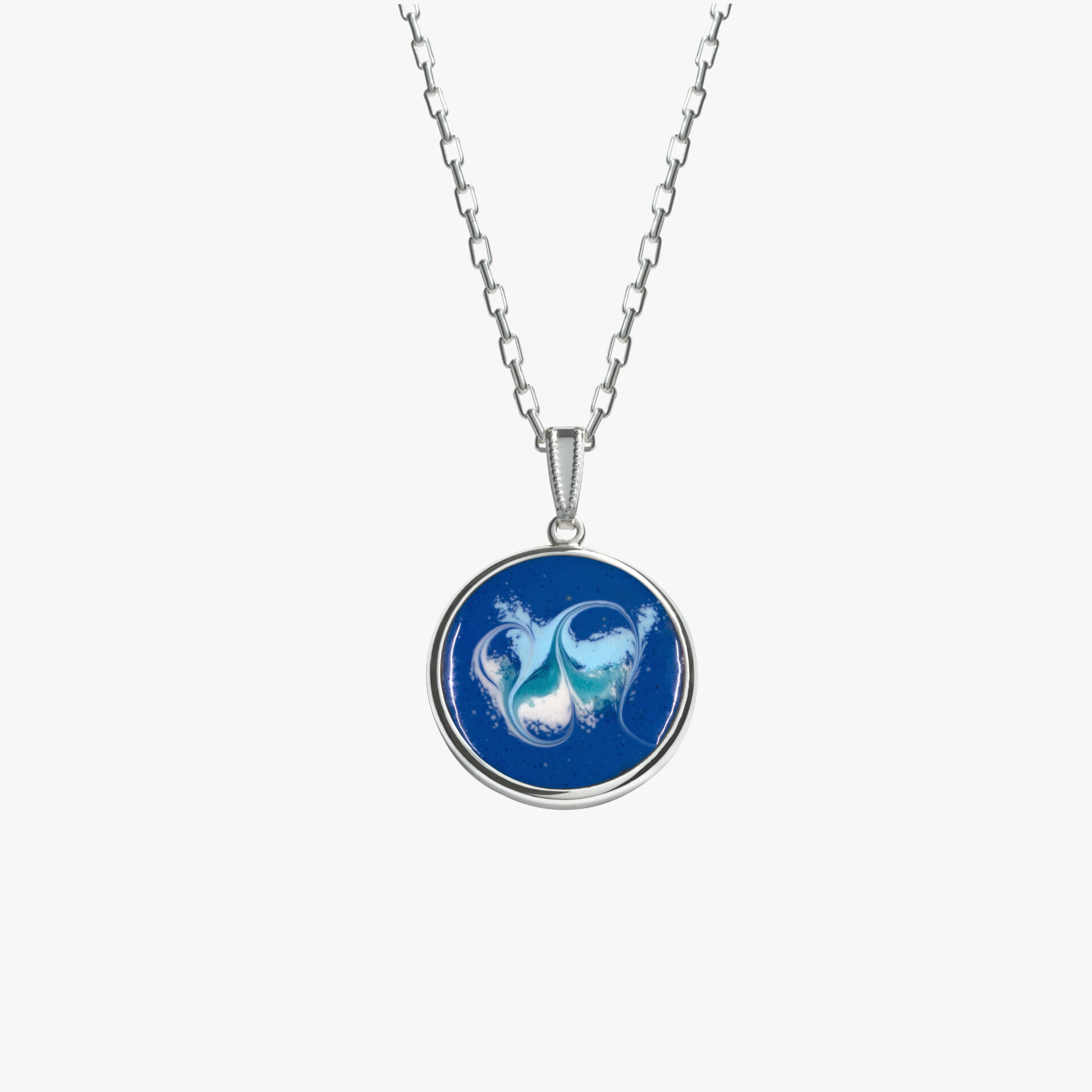
The pendant, if present, determines the balance. Its scale must correspond to the chain. Nothing should dominate. Nothing should disappear.
As a gift, a necklace often becomes a habit.
Worn in the morning. Removed in the evening. Without thought.
This continuity is what makes it appropriate.
-
Wild Atlantic Blue Silver Plated Pendant Necklace
€40.99 -
Red Costume Pendant Necklace
Original price was: €19.95.€17.96Current price is: €17.96. -
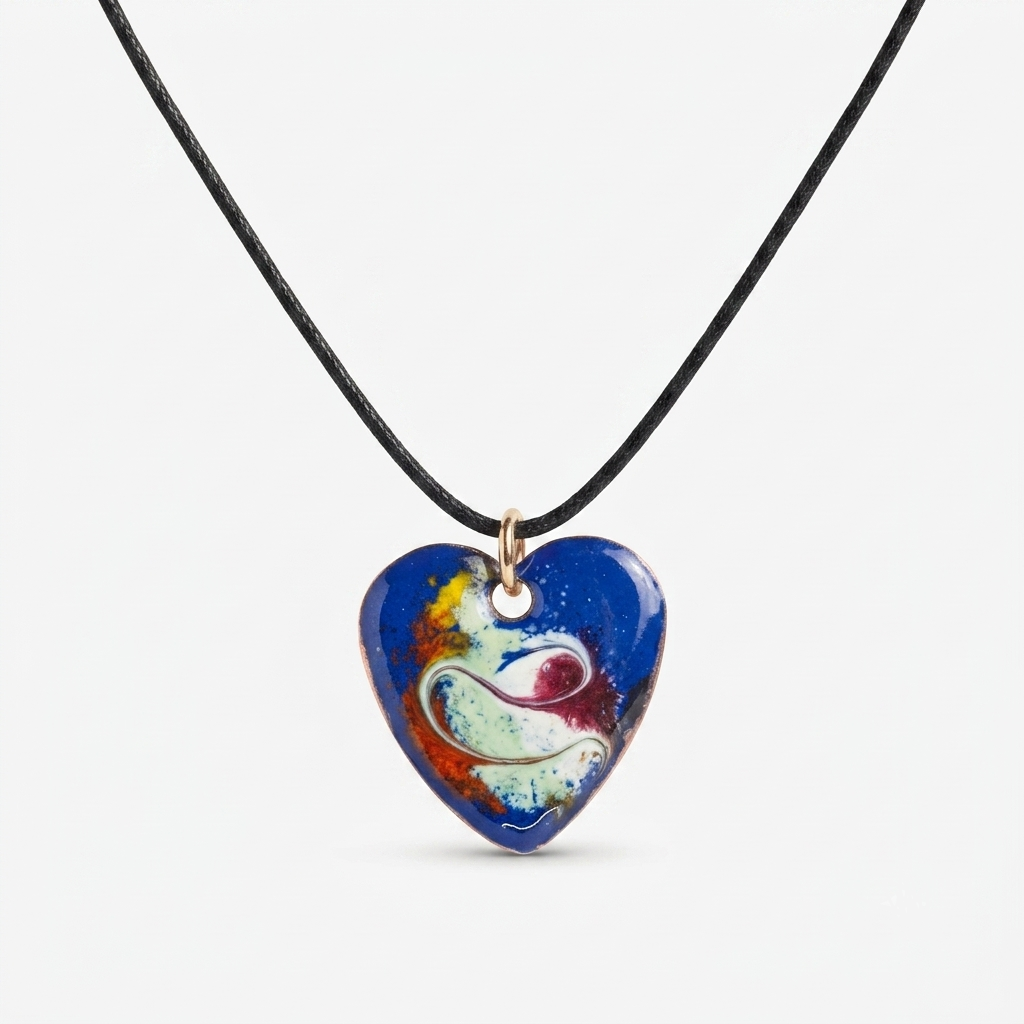
Blue Heart Shaped Pendant
€12.95 -
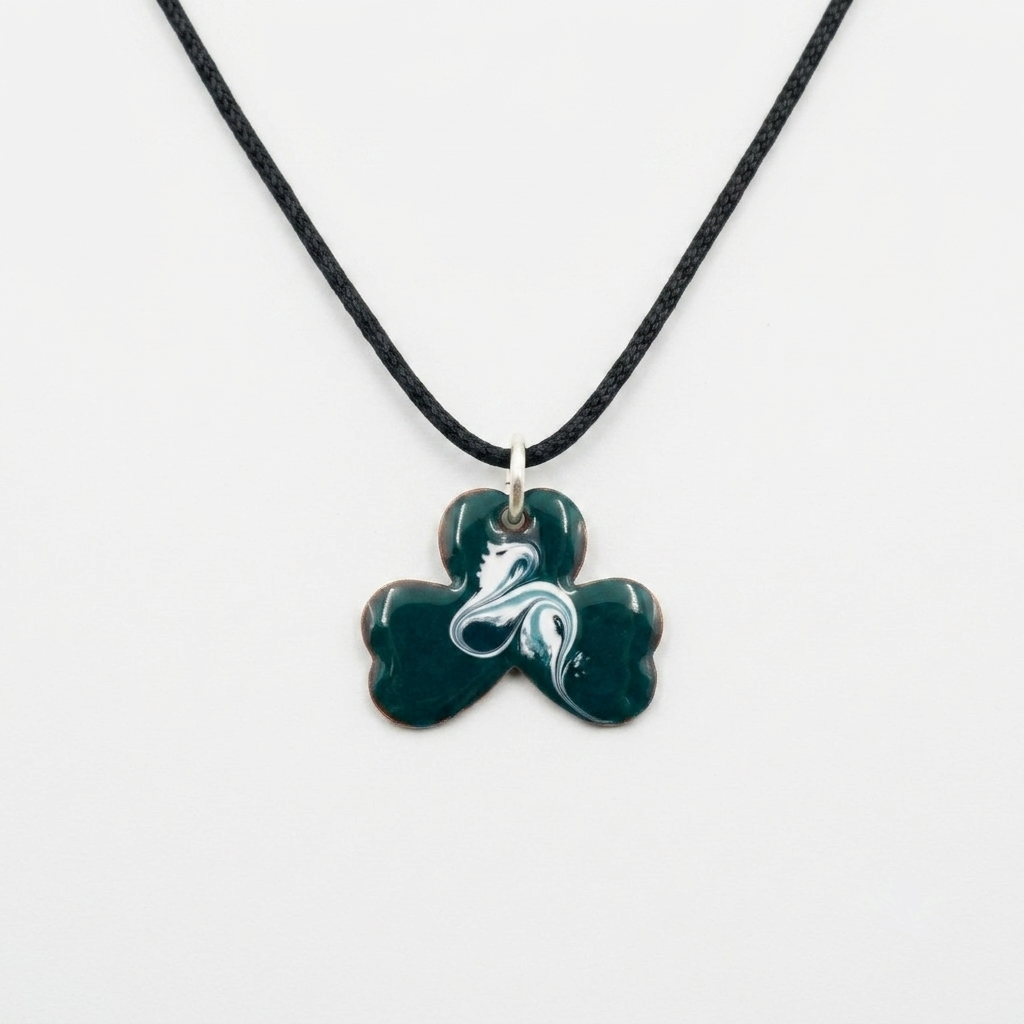
Green Shamrock Pendant
€12.00 -
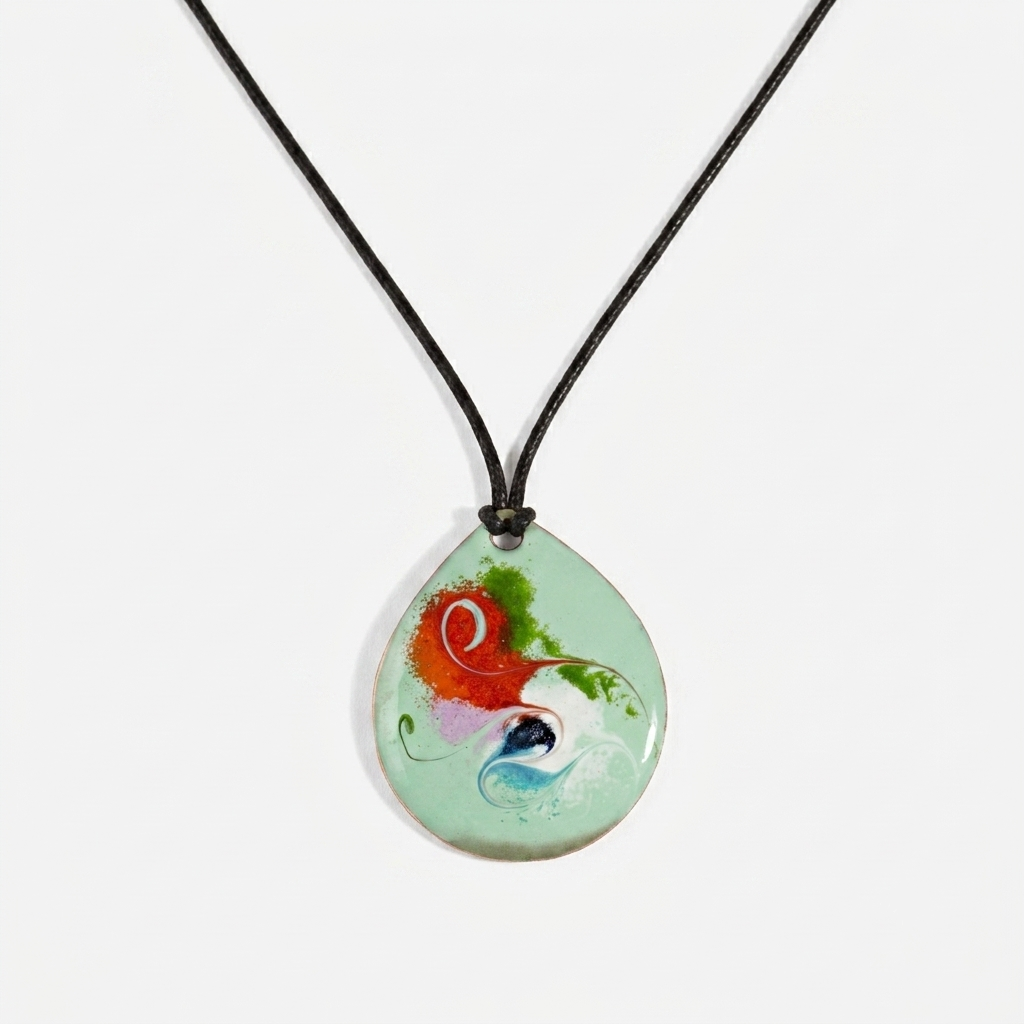
Celadon Green Costume Pendant Necklace
€19.95 -
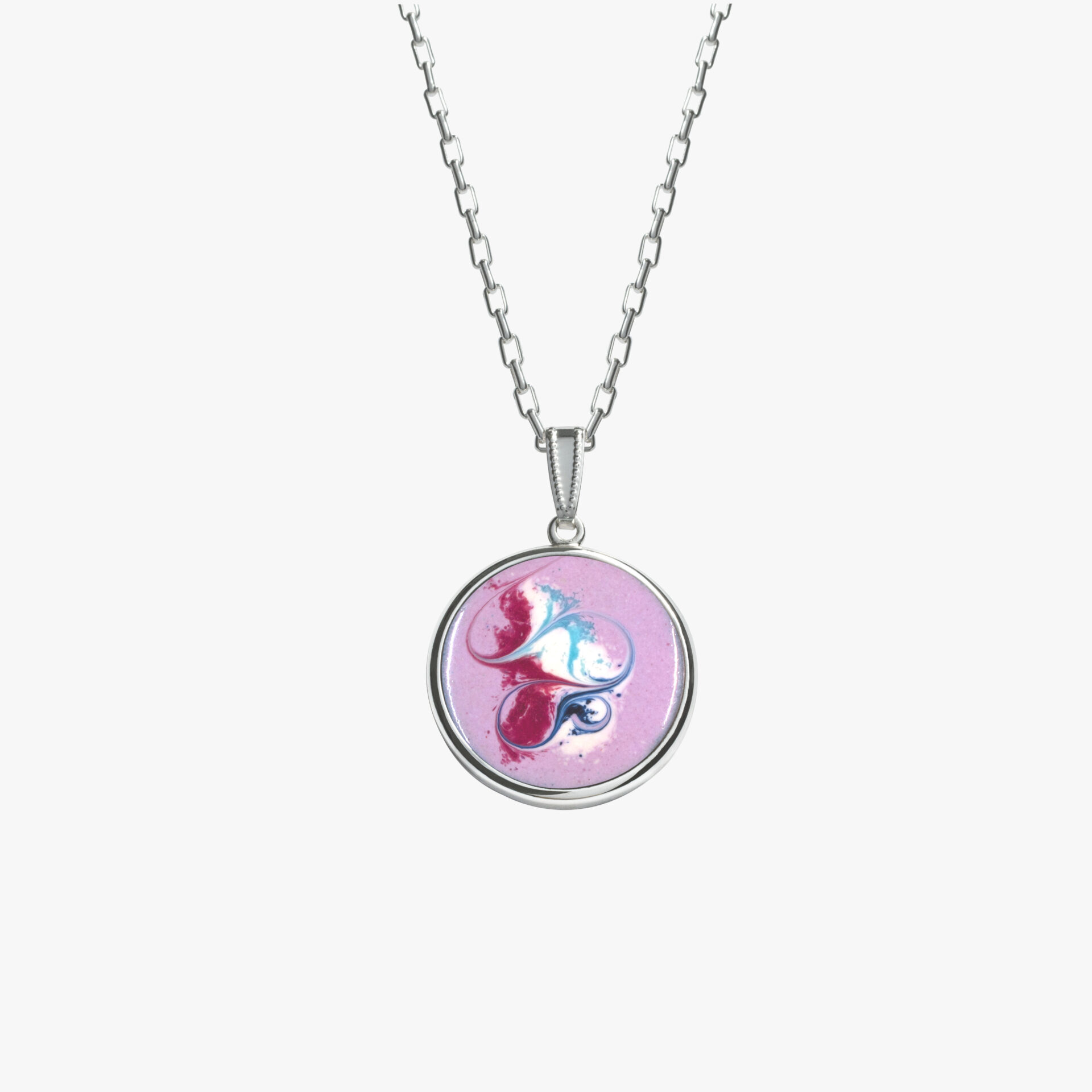
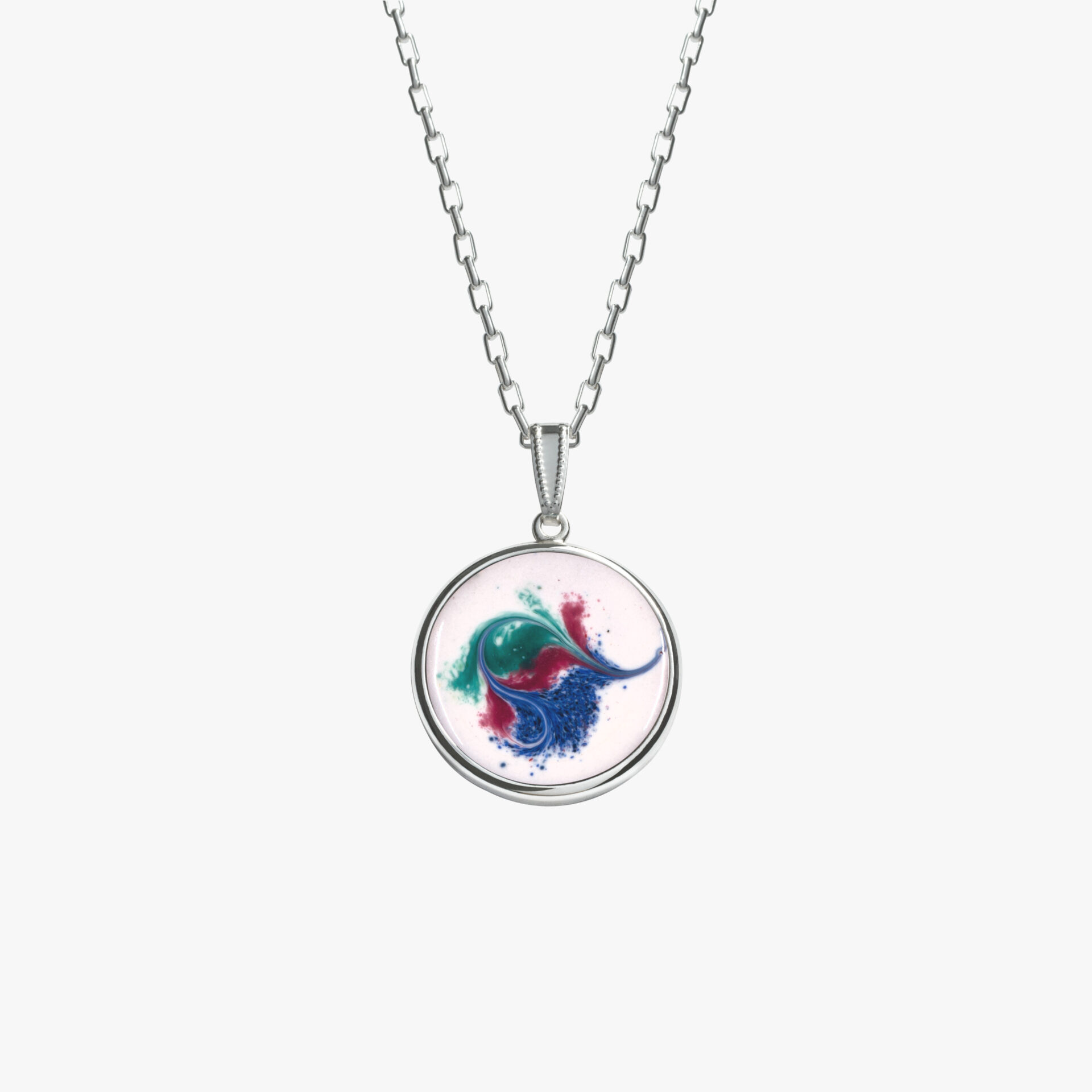
Megouna Pink Silver Plated Pendant
€40.99 -
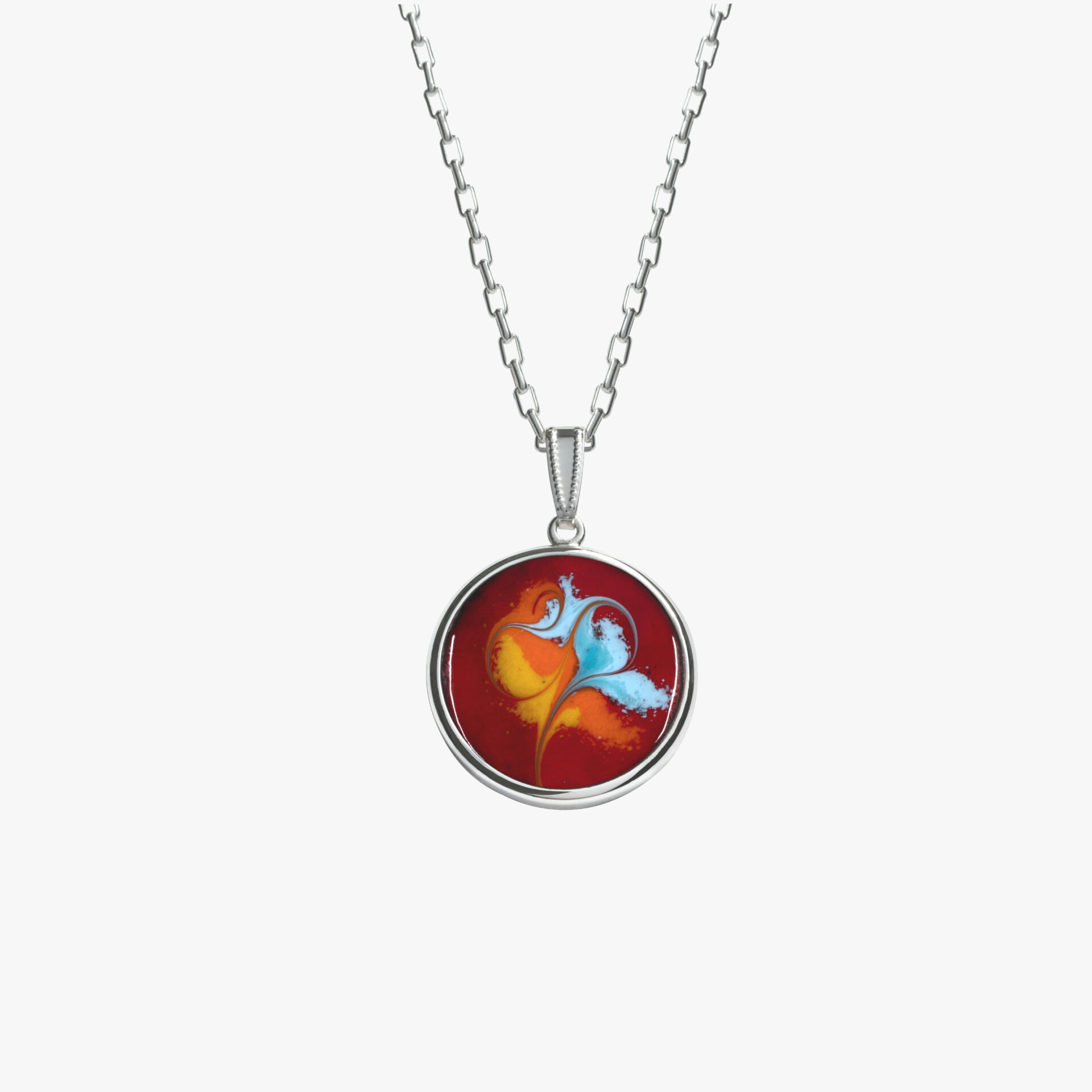
Cotopaxi Red Silver Plated Pendant
€40.99 -
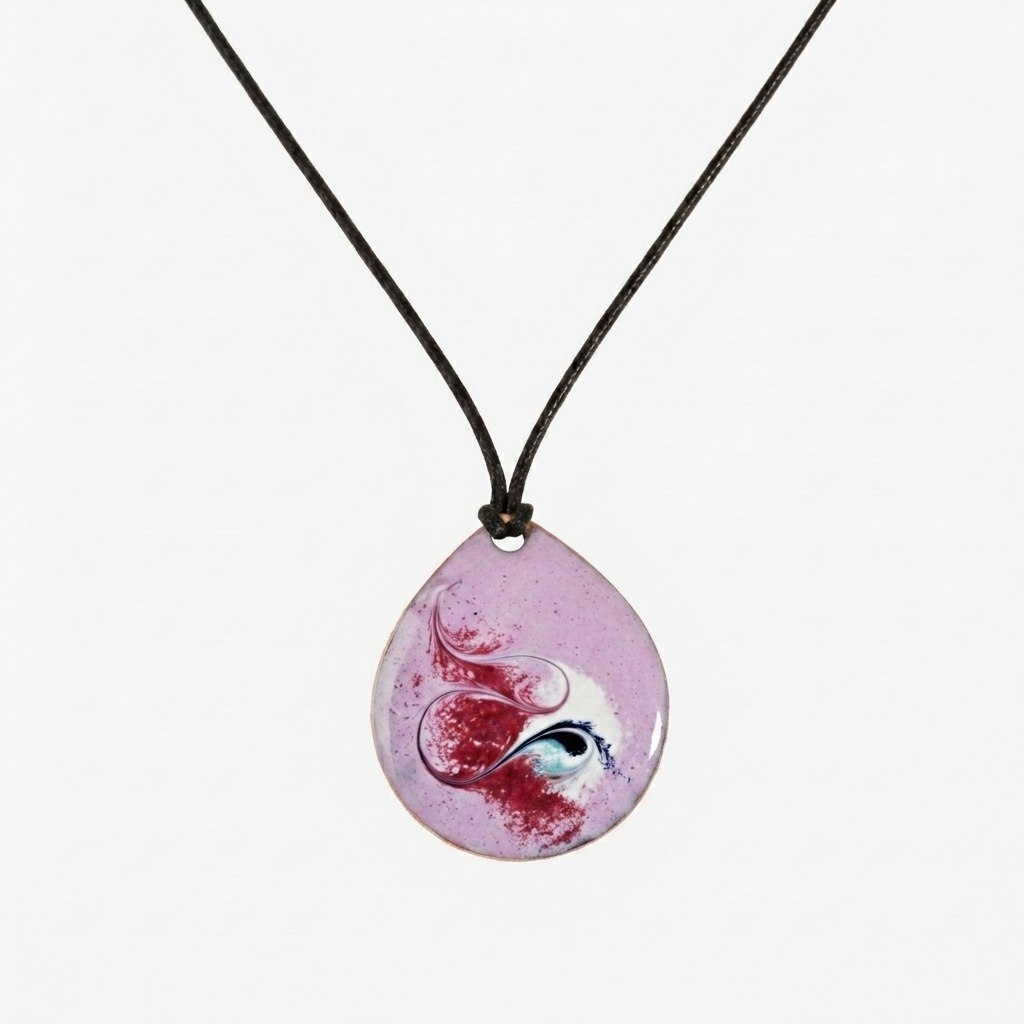
Pinky Mauve Large Costume Pendant
€19.95 -
Khaleesi Ivory Silver Plated Pendant
€40.99 -
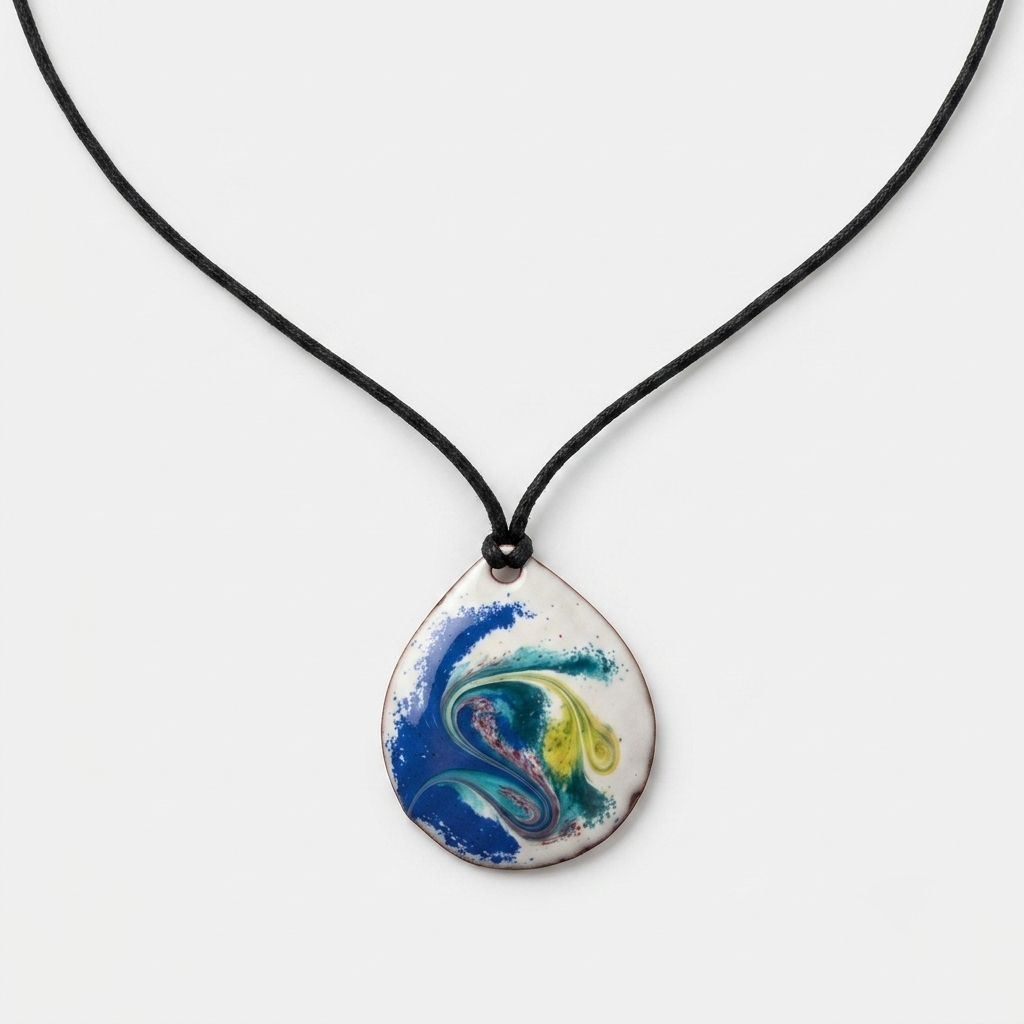
Greek Inspired Large Pendant
€19.95
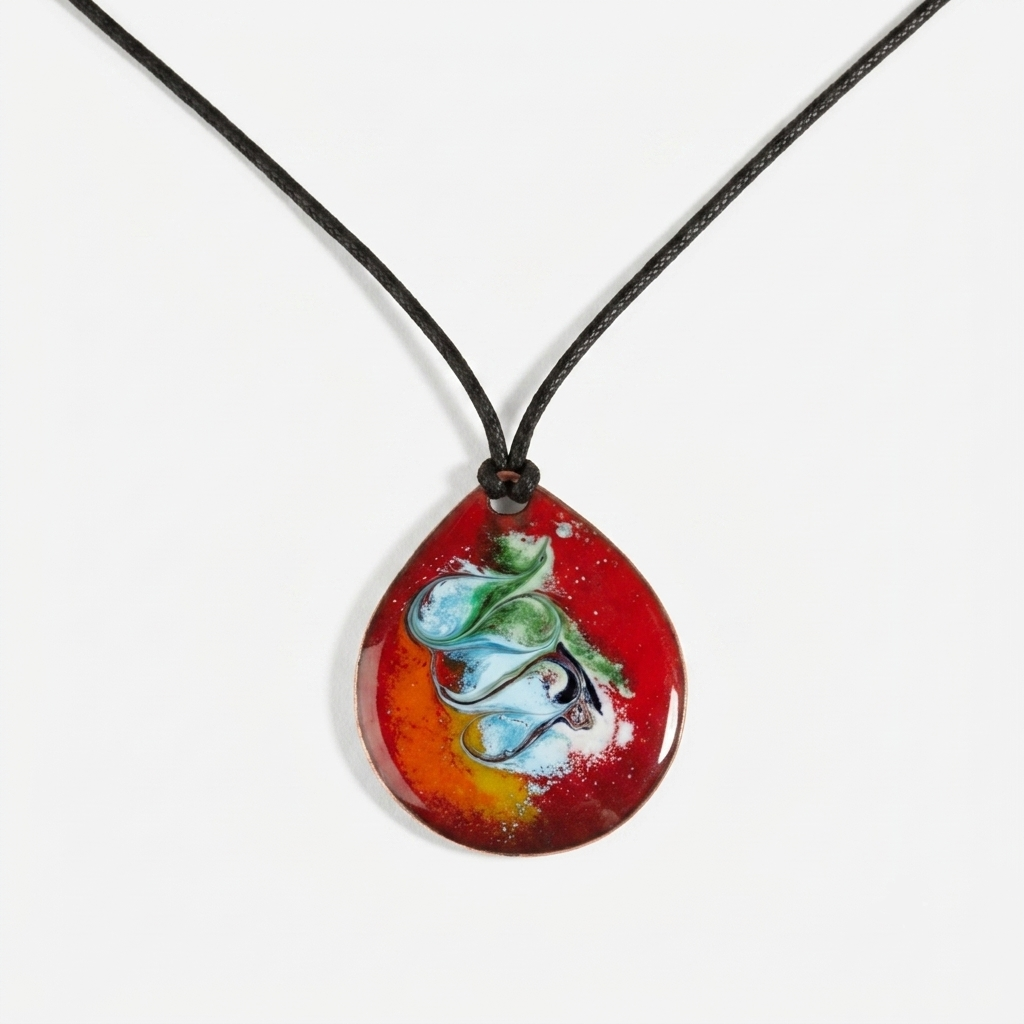
Bracelets: Defined by Movement
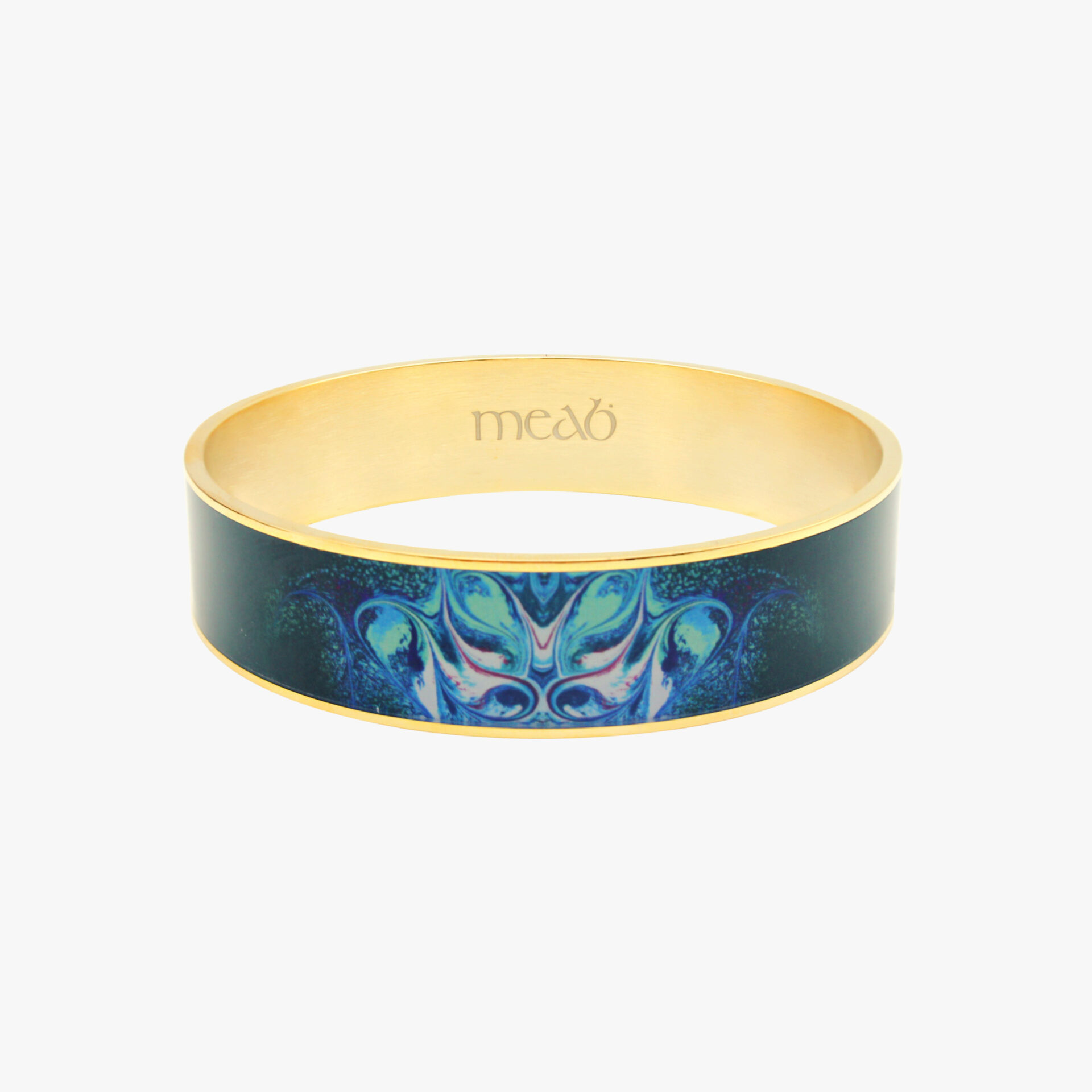
Bracelets exist through gesture.
They appear and disappear. They follow movement rather than staying fixed.
This makes proportion essential.
Too rigid, and the piece resists.
Too loose, and it becomes unstable.
The right balance allows continuity without restriction.
As a gift, this requires more attention. But when chosen correctly, the piece integrates into the rhythm of daily actions.
Not something added. Something absorbed.
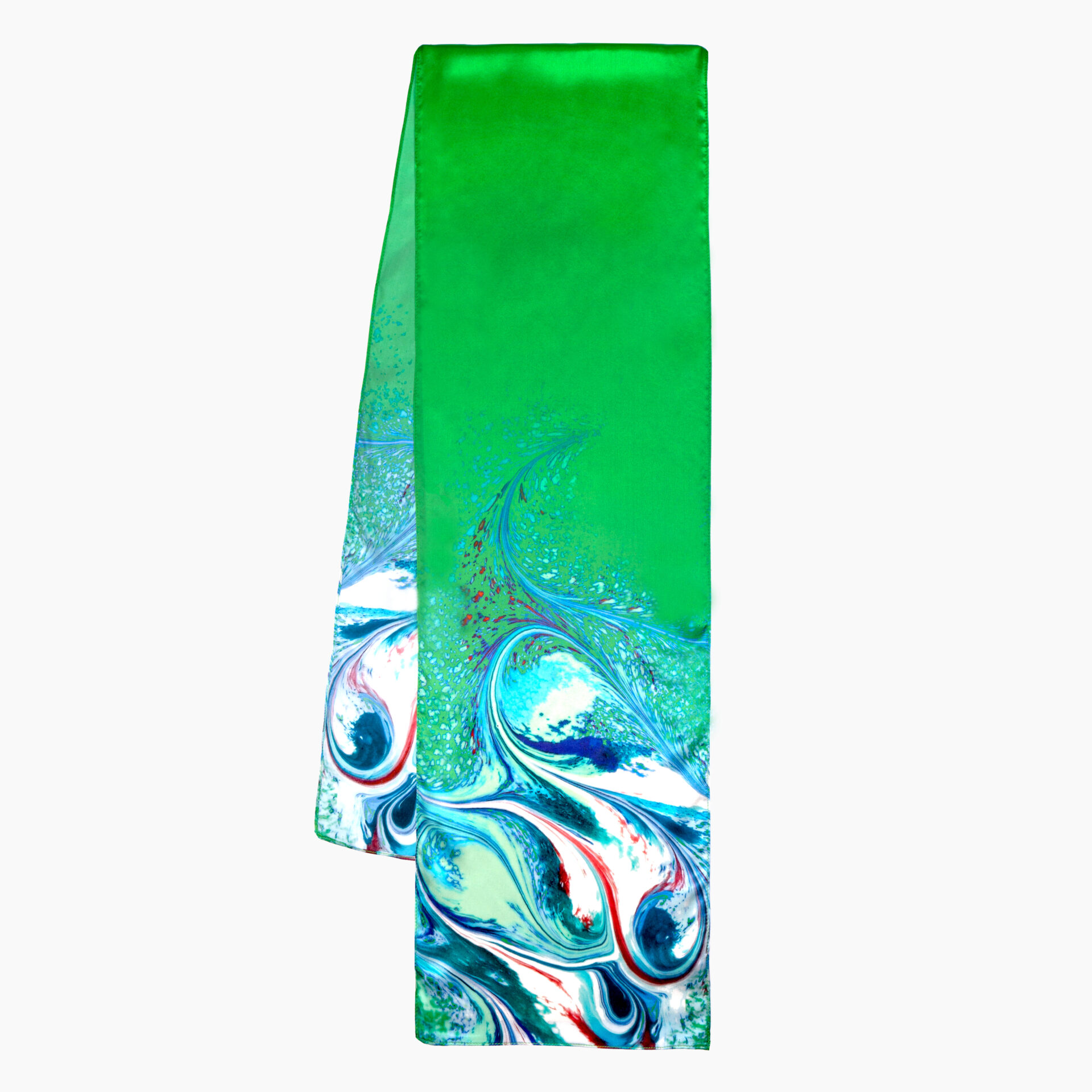
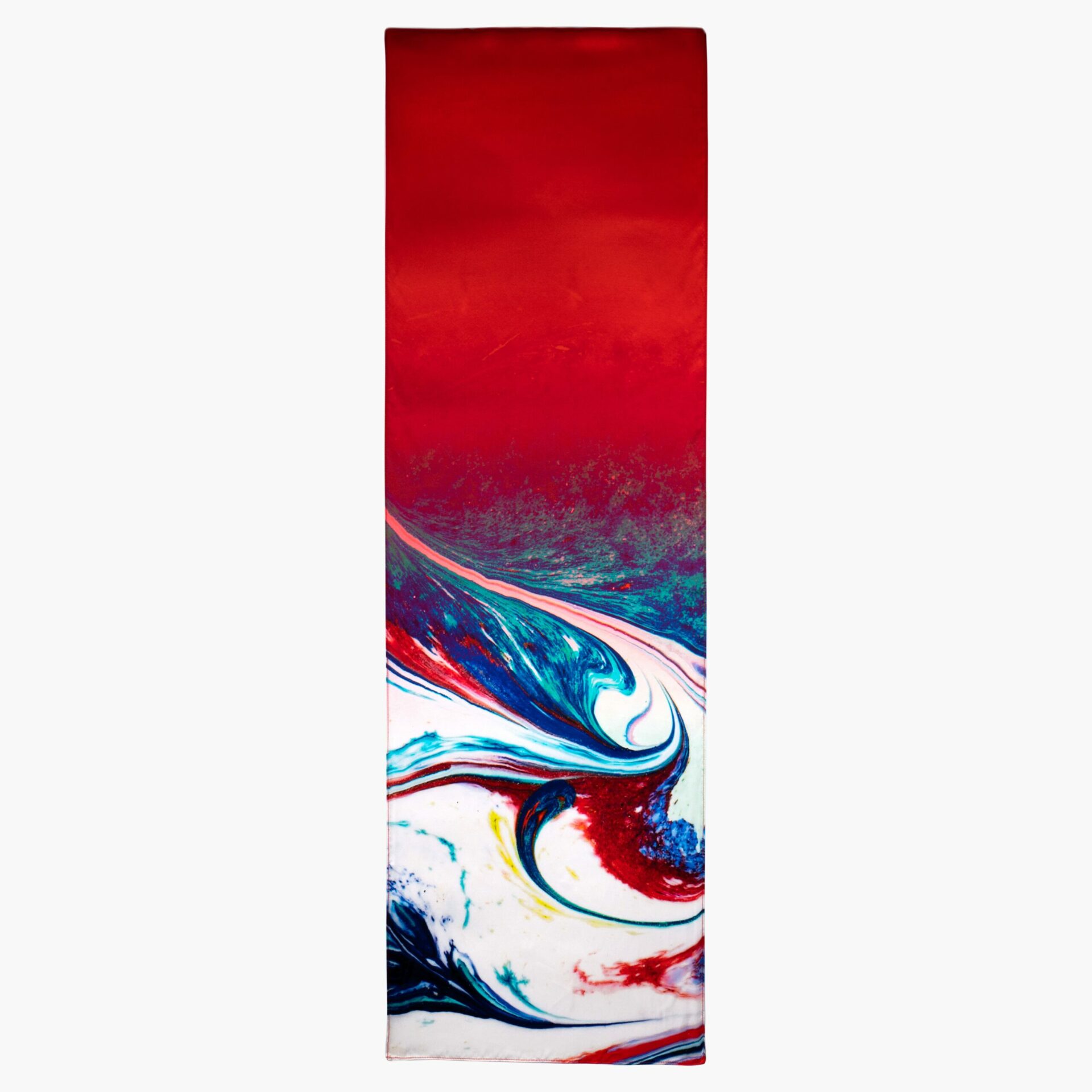
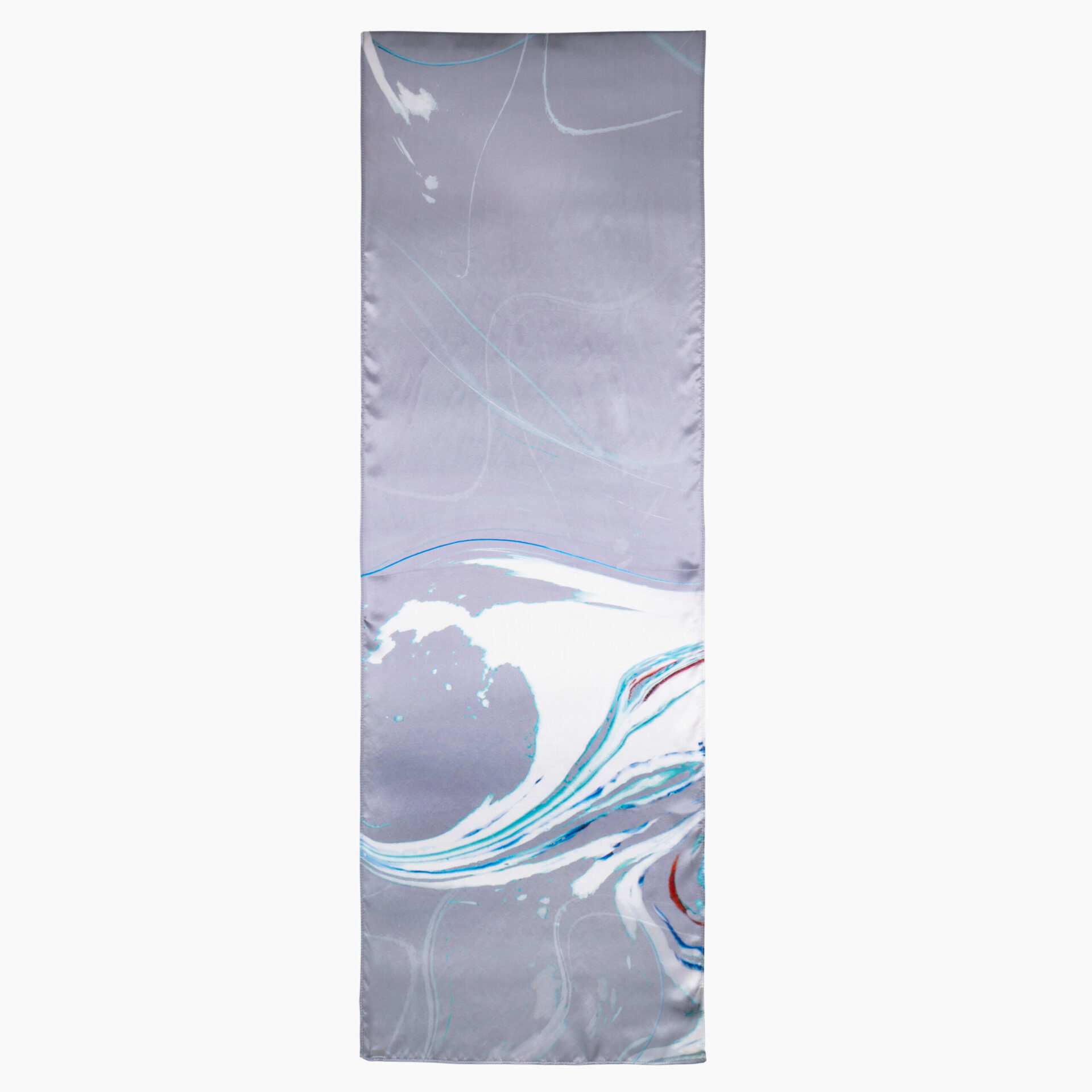
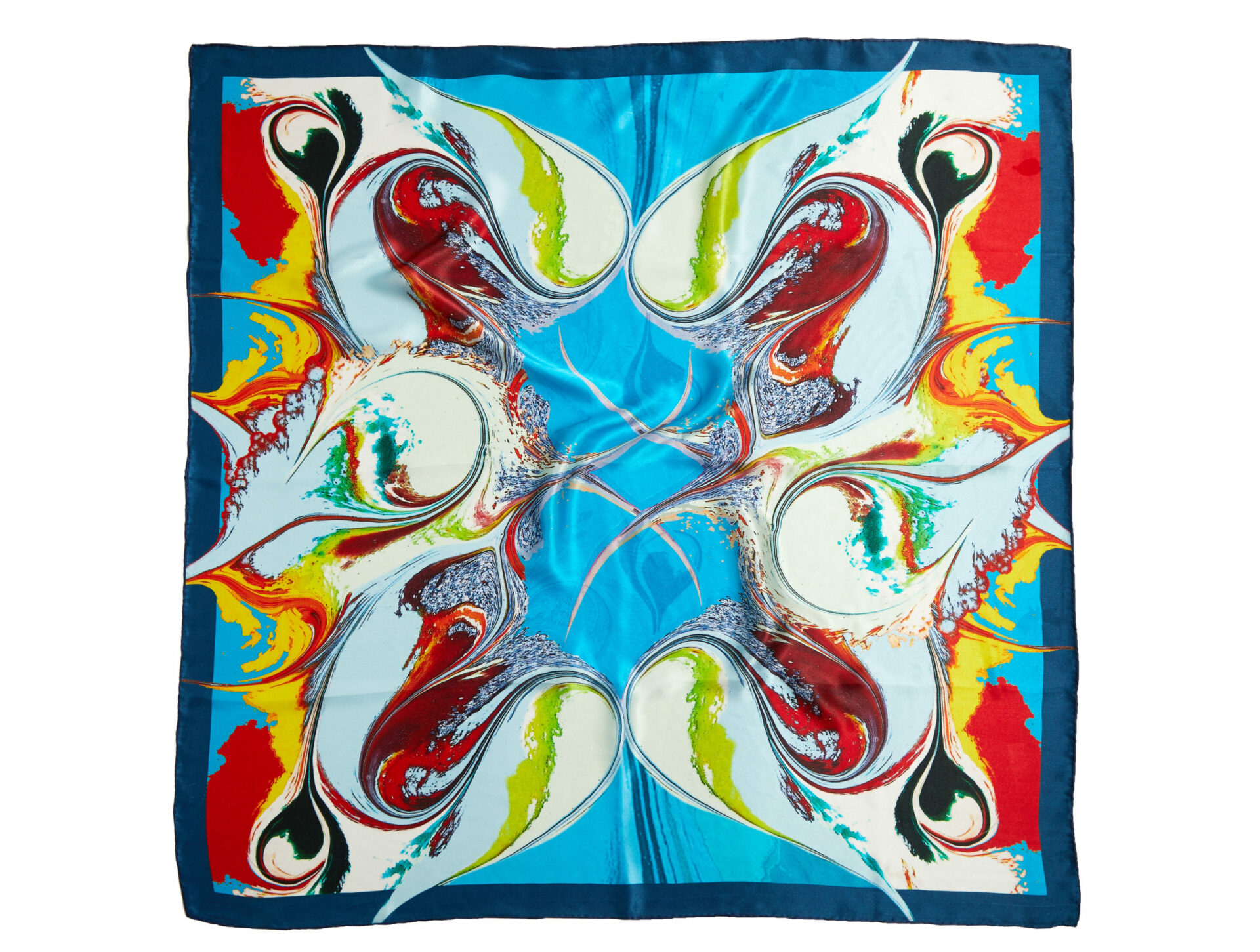
Scarves: Material That Transforms
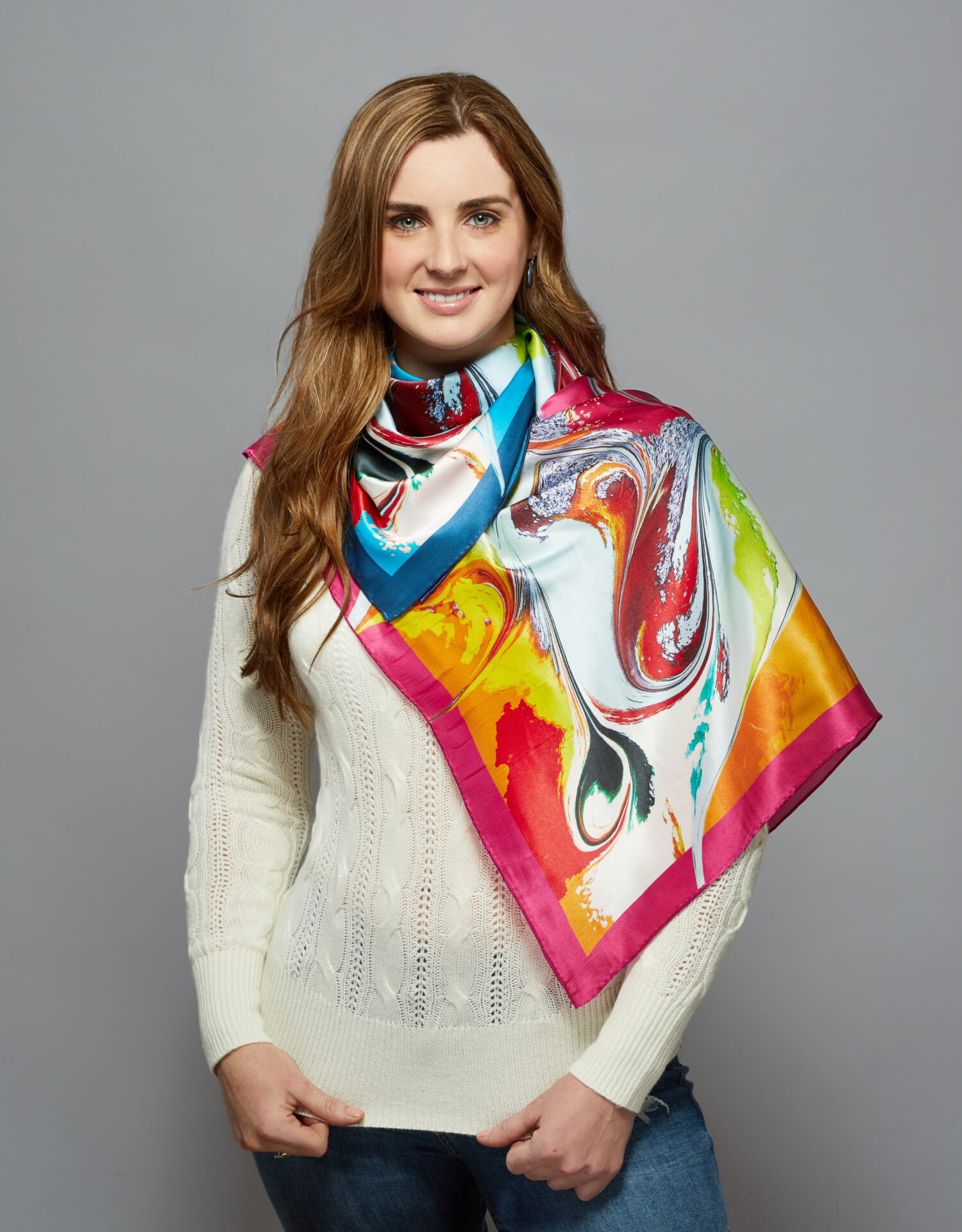
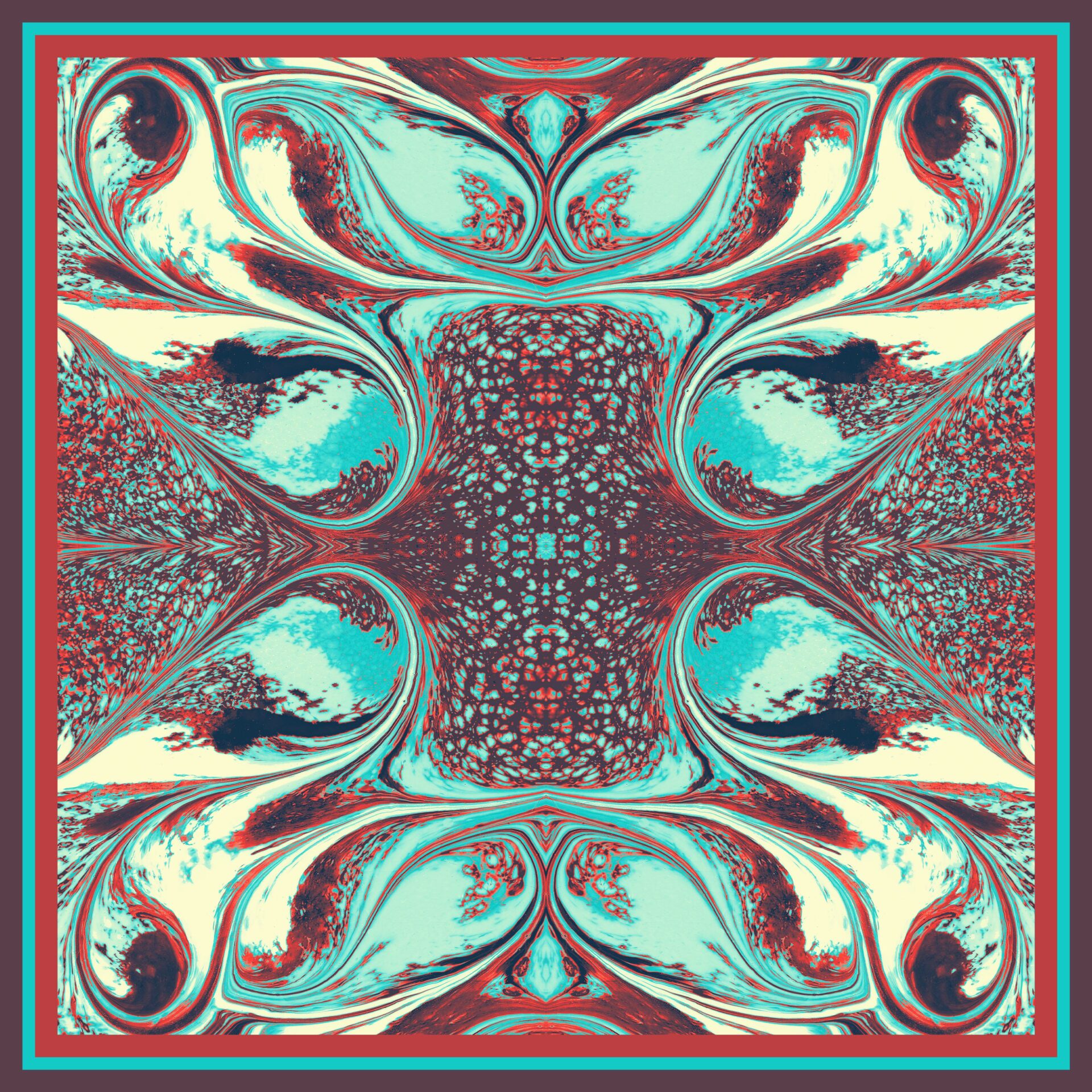
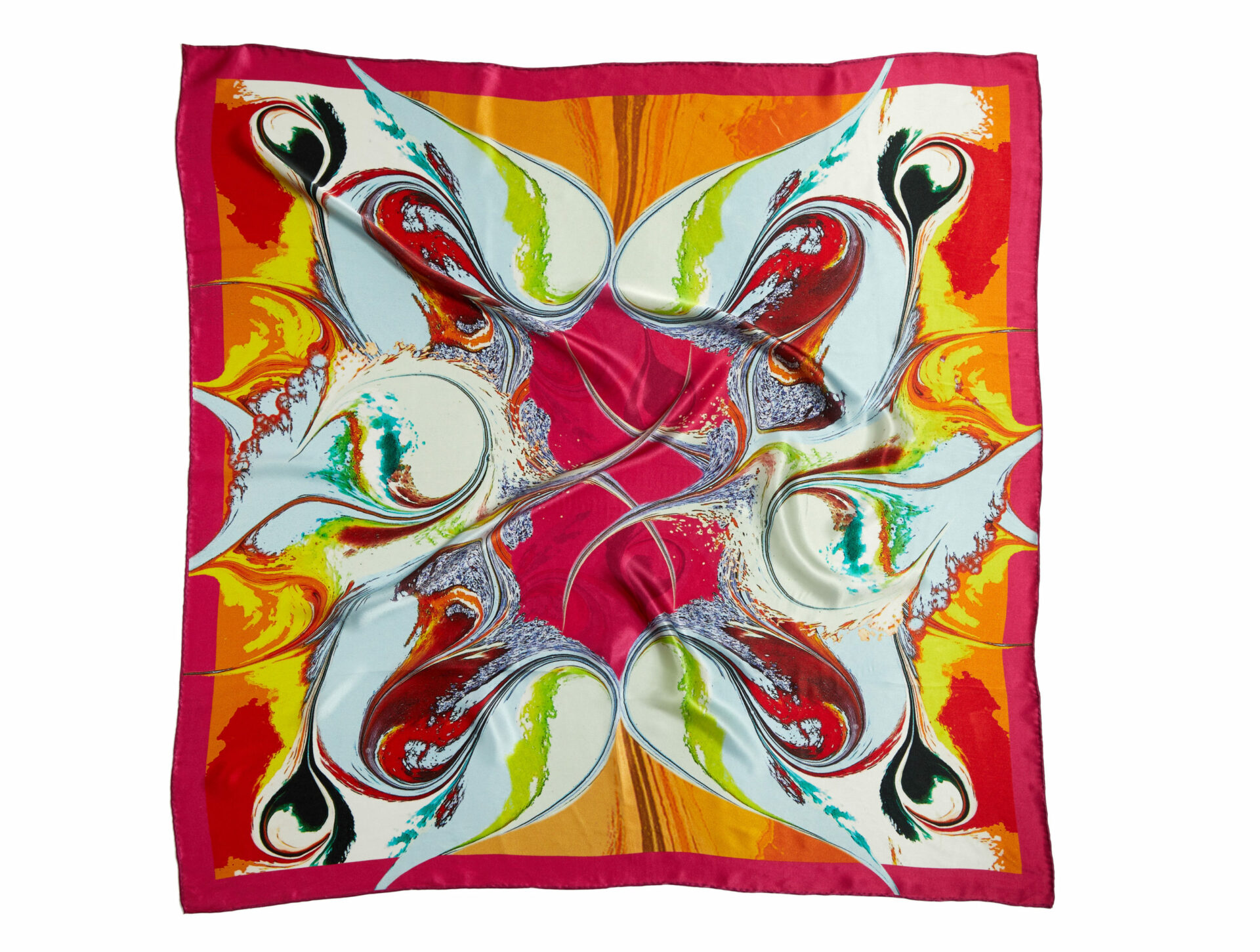
A scarf is defined less by form than by possibility.
Silk, in particular, changes with movement. It reflects light differently depending on how it is worn.
Folded, wrapped, or left open — the same piece becomes multiple variations.
This makes it a considered gift.
Not fixed. Not imposed.
The material determines everything:
- the way colour holds
- the way the fabric falls
- the way it evolves with use
-
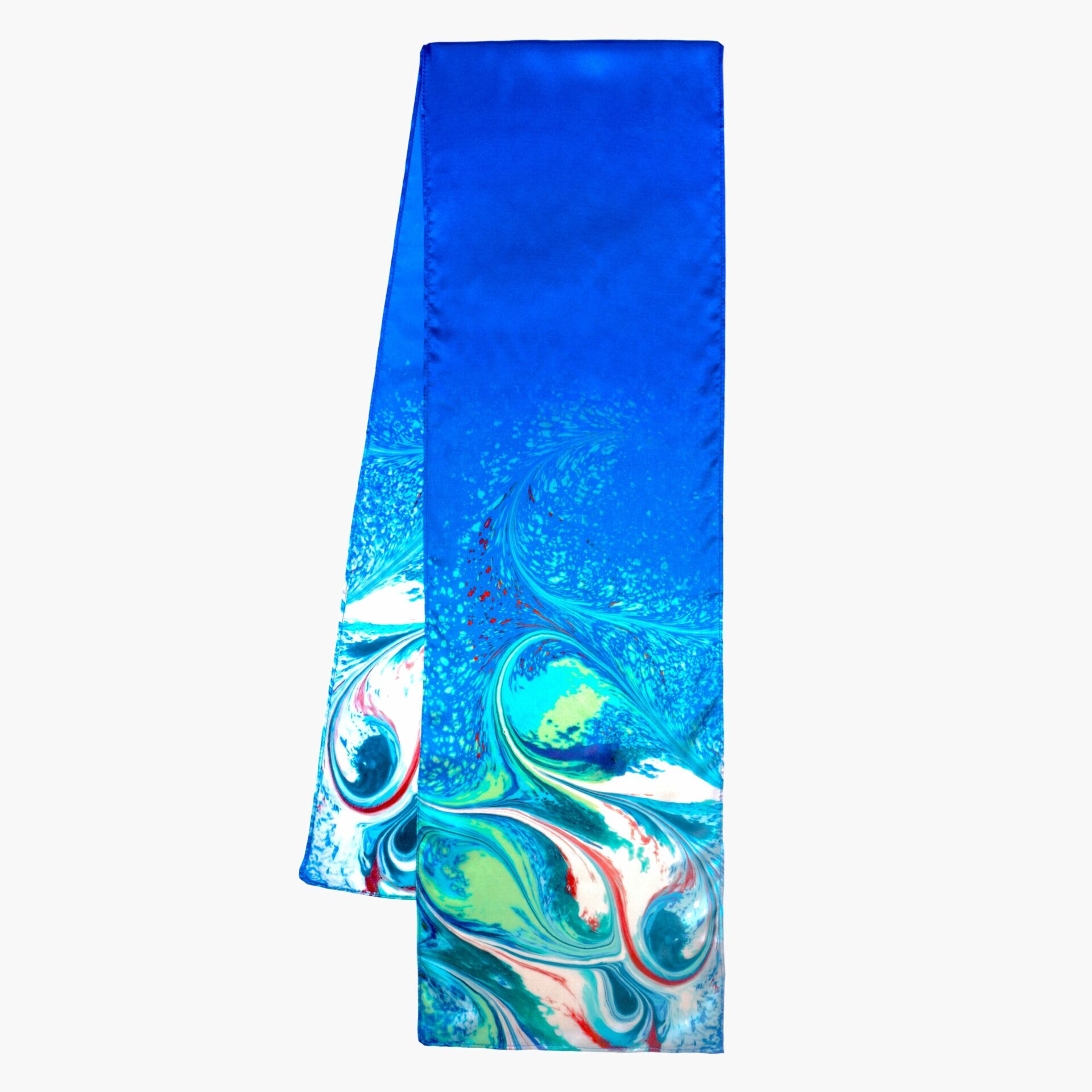
Cobalt Blue Silk Scarf
Price range: €55.99 through €85.99 -
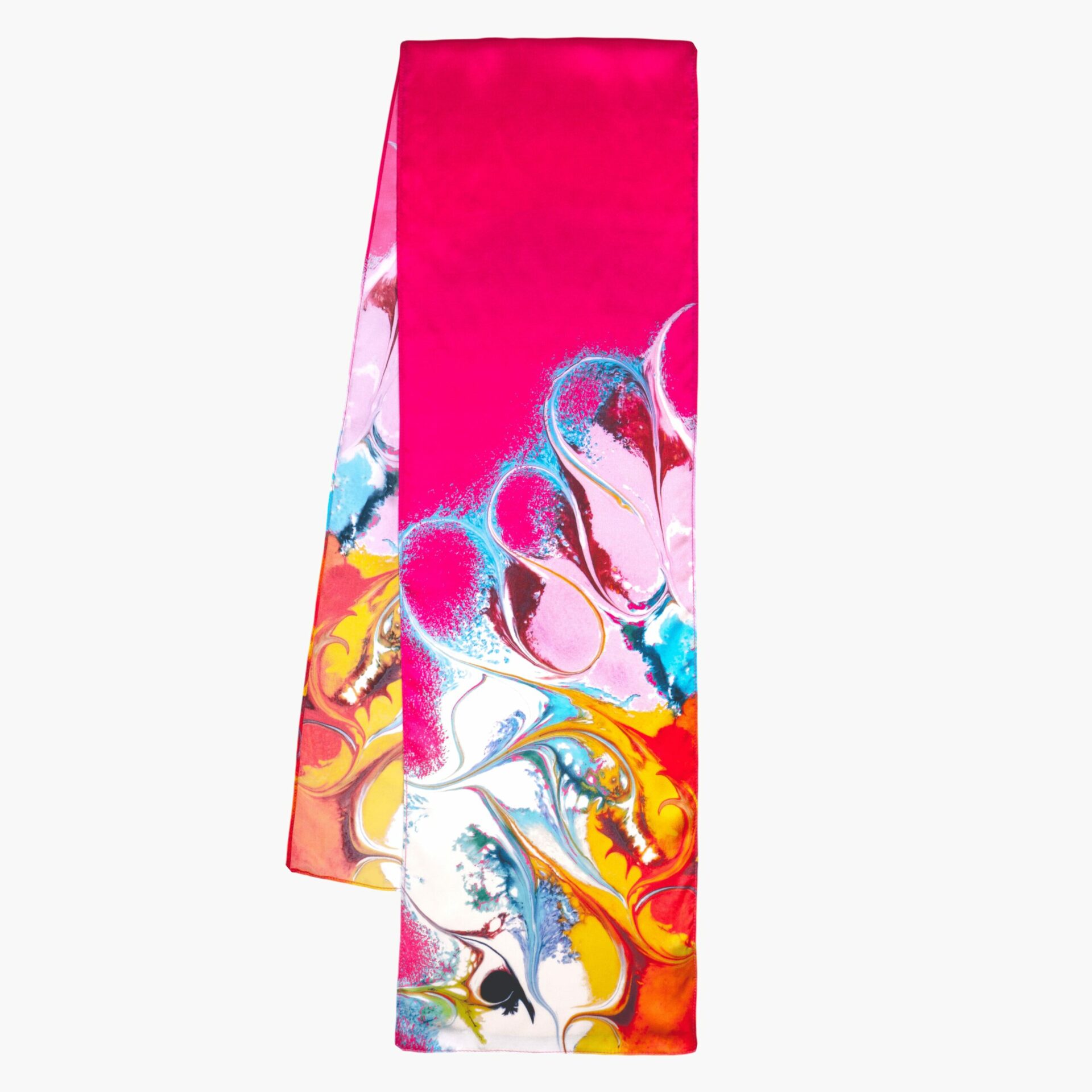
Hot Pink Silk Scarf
Price range: €55.99 through €85.99 -
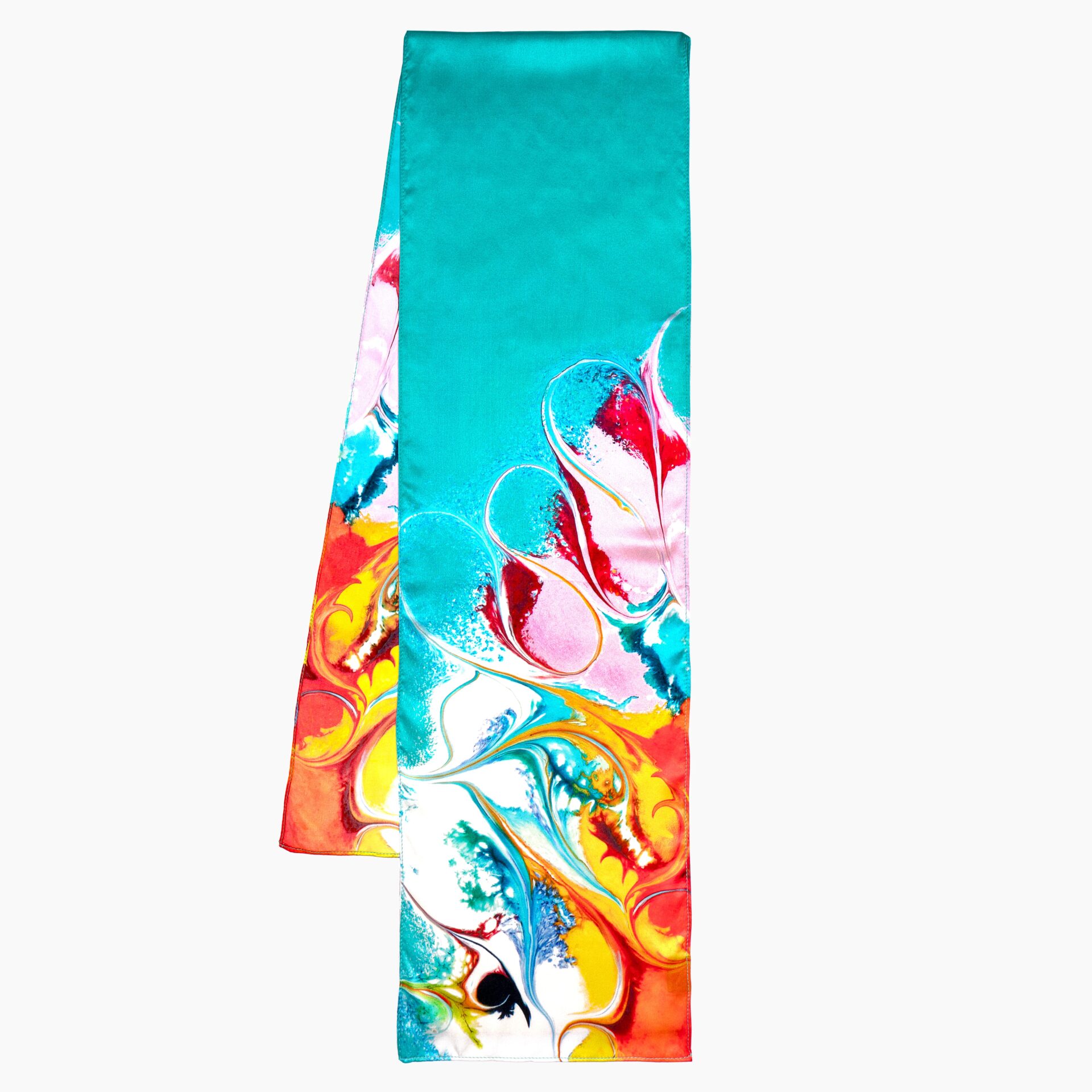
Teal Silk Scarf
€55.99 -
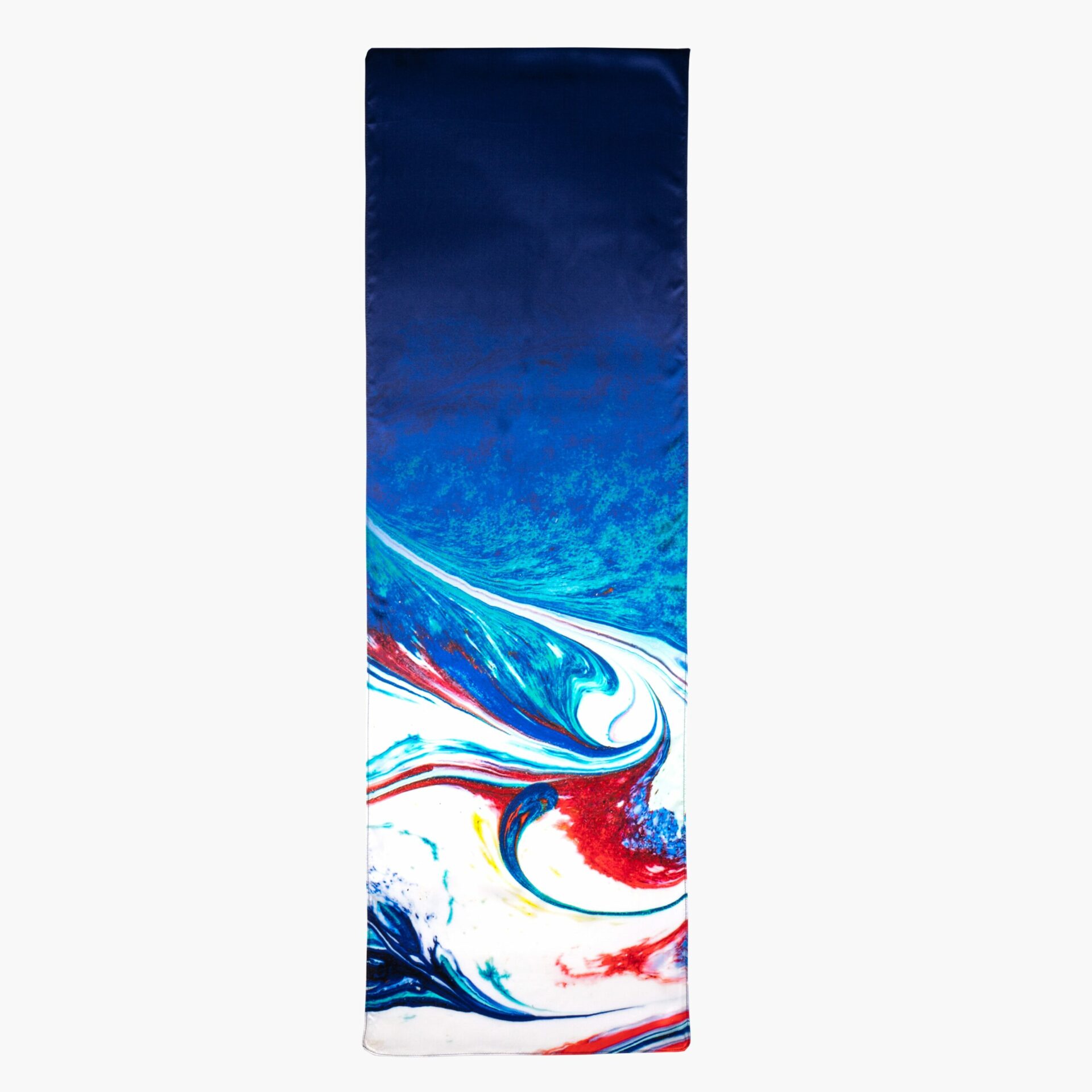
Sansa Navy Blue Silk Neck Scarf
Price range: €55.99 through €73.09 -
Irish Green Silk Scarf
Price range: €55.99 through €85.99 -
Melisandre Red Silk Scarf
Price range: €47.59 through €85.99 -
Khaleesi Grey Silk Scarf
€85.99 -

‘The Florentine’ Sky Blue Silk Scarf
€90.00 -
Belladonna Turquoise & Burgundy Silk Scarf
€54.95 -
‘The Aphrodite’ Orange Silk Scarf
€90.00
Colour as the First Decision
Colour is often the first element perceived.
But it is not separate from material.
In enamel, it is built layer by layer.
In silk, it is absorbed and diffused through the fabric.
This difference changes how colour behaves.
Some tones integrate easily into everyday use. Others remain more occasional.
A considered choice does not aim to match everything.
It creates a point of presence.
Why Some Gifts Are Worn And Others Are Not
Most wearable gifts fail for simple reasons:
- too decorative
- too trend-driven
- too specific
They belong to a moment, not to a routine.
A piece that remains is different.
It does not depend on occasion.
It does not require justification.
It does not need to be explained.
It simply works.
Choosing Something That Lasts
A wearable gift should not be chosen to impress.
It should be chosen to continue.
The object must hold on its own:
- in its material
- in its balance
- in its construction
When this is resolved correctly, the piece becomes part of daily life.
Not immediately. But inevitably.