








Magazine
How to Clean Sterling Silver Jewellery
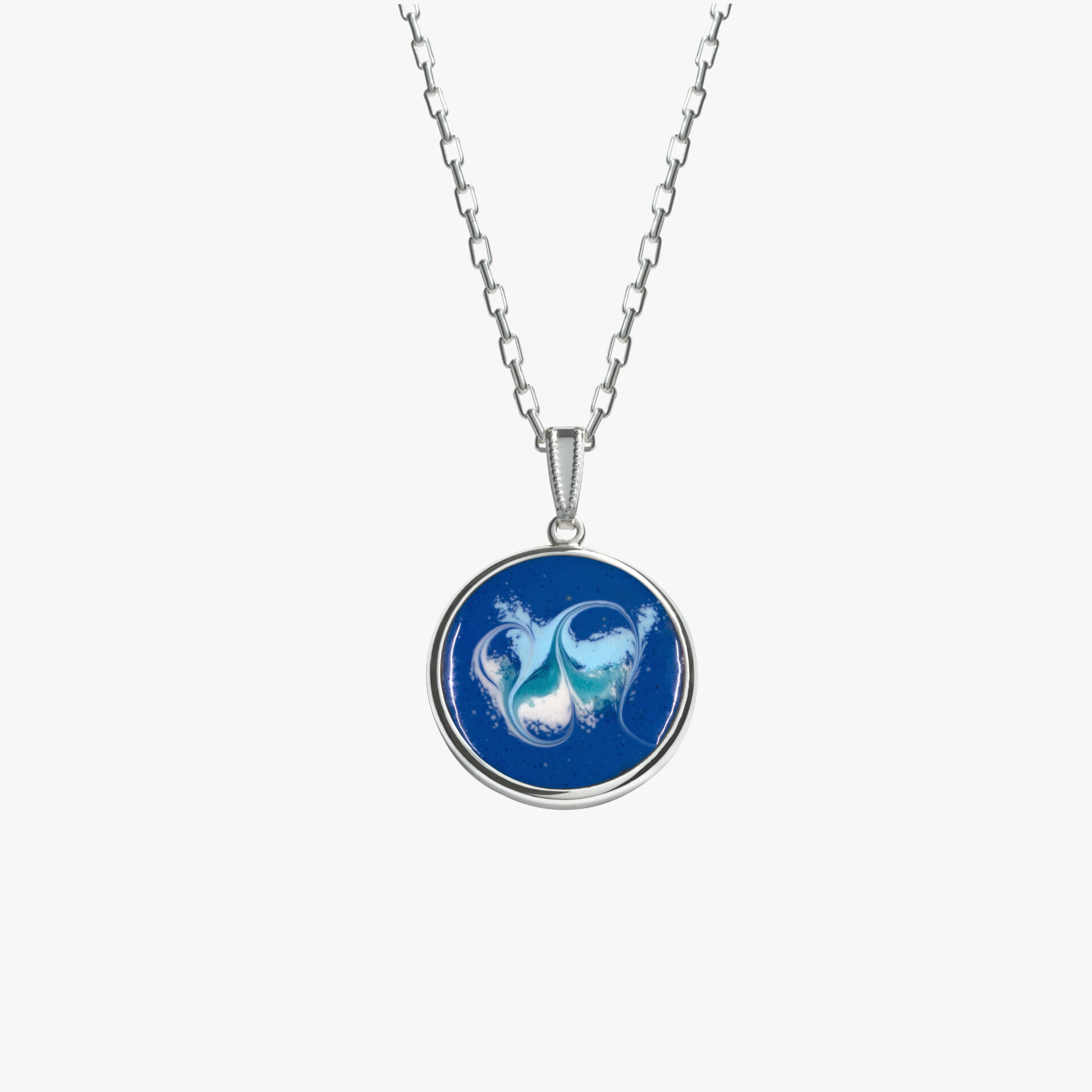
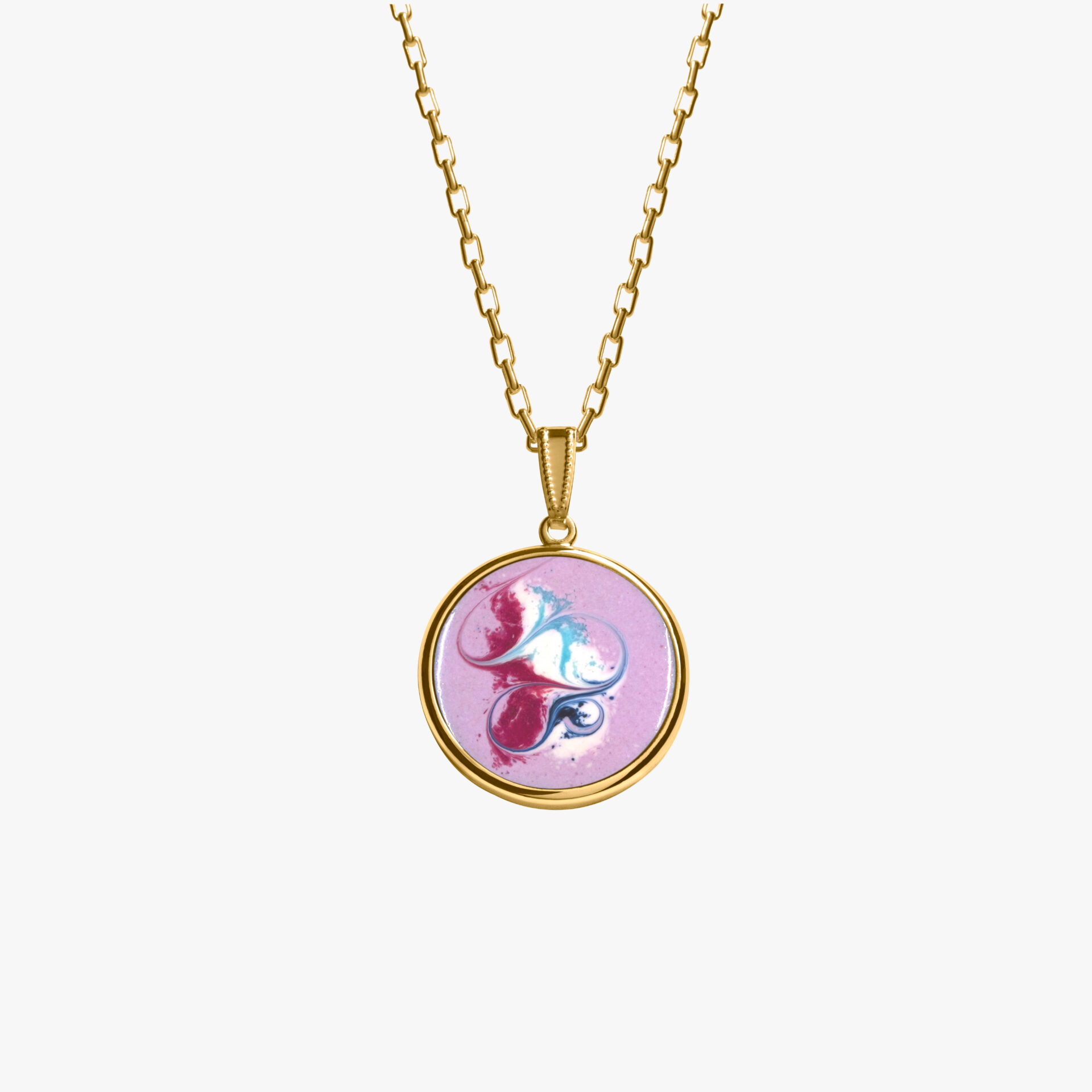
Sterling silver carries a particular kind of light. Softer than gold, quieter than polished steel, it reflects the world around it in a way that feels close to the skin. Over time, however, silver changes. Its brightness softens, its surface darkens slightly, and the metal begins to show the natural effects of air, humidity and everyday life.
Cleaning sterling silver jewellery is therefore not about correcting a defect. It is about maintaining the clarity of the metal so that its natural brightness continues to appear.
Understanding how sterling silver behaves is the first step in caring for it properly.
Why Sterling Silver Jewellery Tarnishes
Sterling silver is not pure silver. The metal used in jewellery is composed of 92.5 percent silver combined with a small proportion of other metals, most often copper. This composition gives the material the strength required for shaping, polishing and everyday wear.
The presence of copper also explains why sterling silver gradually darkens.
When the metal comes into contact with sulfur compounds present in the air, a thin surface layer begins to form. This reaction produces what is commonly known as tarnish. The surface becomes slightly darker or develops a grey tone. This process is entirely natural and occurs on most silver objects over time.
Humidity, pollution, perfume and cosmetic products can accelerate this reaction. Even the chemistry of the skin may influence how quickly a piece of jewellery changes appearance. Curiously, silver jewellery that is worn frequently often tarnishes more slowly than pieces left untouched in a box. The gentle friction of fabric and movement helps maintain the brightness of the metal.
The Simplest Way to Clean Sterling Silver Jewellery
Cleaning sterling silver jewellery does not require complex products or aggressive treatments. The metal responds best to simple care.
A bowl of lukewarm water mixed with mild soap is usually enough to restore the surface of the metal. The jewellery can be placed in the solution for a few minutes so that oils and particles accumulated during wear soften and detach from the surface.
Once the piece has soaked briefly, it can be cleaned gently using a soft cloth or a very soft brush. The gesture should remain calm and controlled, following the shape of the jewellery rather than pressing directly onto delicate details.
After cleaning, the jewellery should be rinsed with clean water and carefully dried. Moisture left on the surface can encourage tarnish to form again, so drying completely is an important final step.
For most pieces, this method is sufficient to maintain the natural brightness of sterling silver.
Cleaning Silver Jewellery with a Polishing Cloth
When tarnish becomes more visible, a silver polishing cloth can help restore the metal’s clarity.
These cloths contain a fine polishing compound designed specifically for silver alloys. When gently rubbed across the surface of the jewellery, the compound lifts the tarnish without damaging the metal.
The cloth gradually removes the darker layer, leaving the silver brighter again. The process is quiet and progressive. The goal is not to polish forcefully but to allow the cloth to reveal the metal underneath.
Over time the cloth itself will darken as tarnish transfers from the jewellery onto the fabric. This is normal and simply shows that the polishing compound is doing its work.
A Traditional Method for Removing Deeper Tarnish
When sterling silver jewellery has been left unused for long periods, tarnish may appear more pronounced. In these cases a traditional cleaning method using baking soda and aluminium can help remove the dark layer from the surface of the metal.
The technique relies on a simple chemical reaction. A bowl lined with aluminium foil, warm water and a small quantity of baking soda allows the tarnish to transfer from the silver onto the aluminium. Within minutes the darker layer lifts away from the jewellery.
Once the reaction has occurred, the piece should be rinsed thoroughly and dried carefully.
Although effective, this method should remain occasional. Sterling silver does not require frequent deep cleaning, and gentle maintenance is always preferable to repeated restoration.
How to Clean Silver Jewellery with Enamel
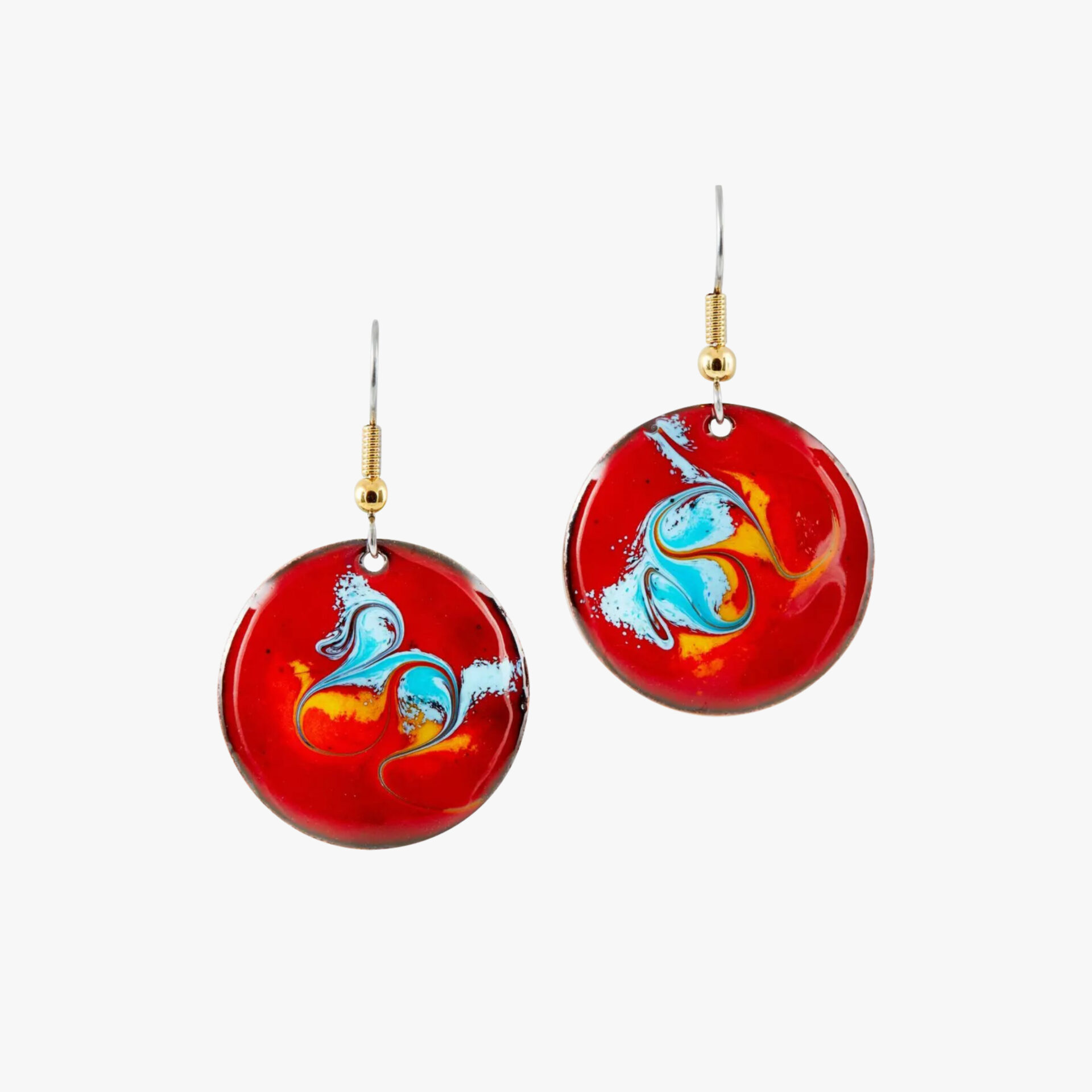
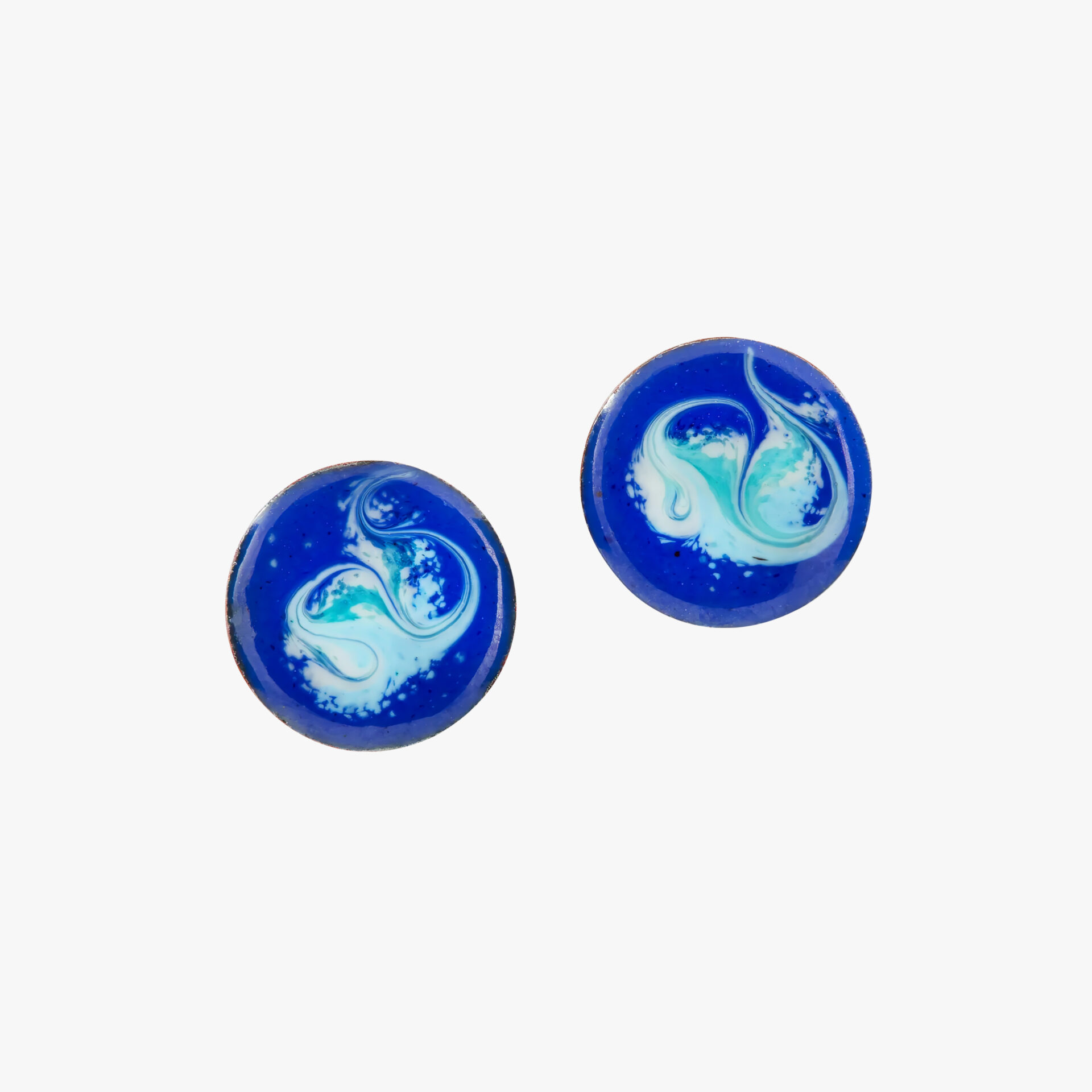
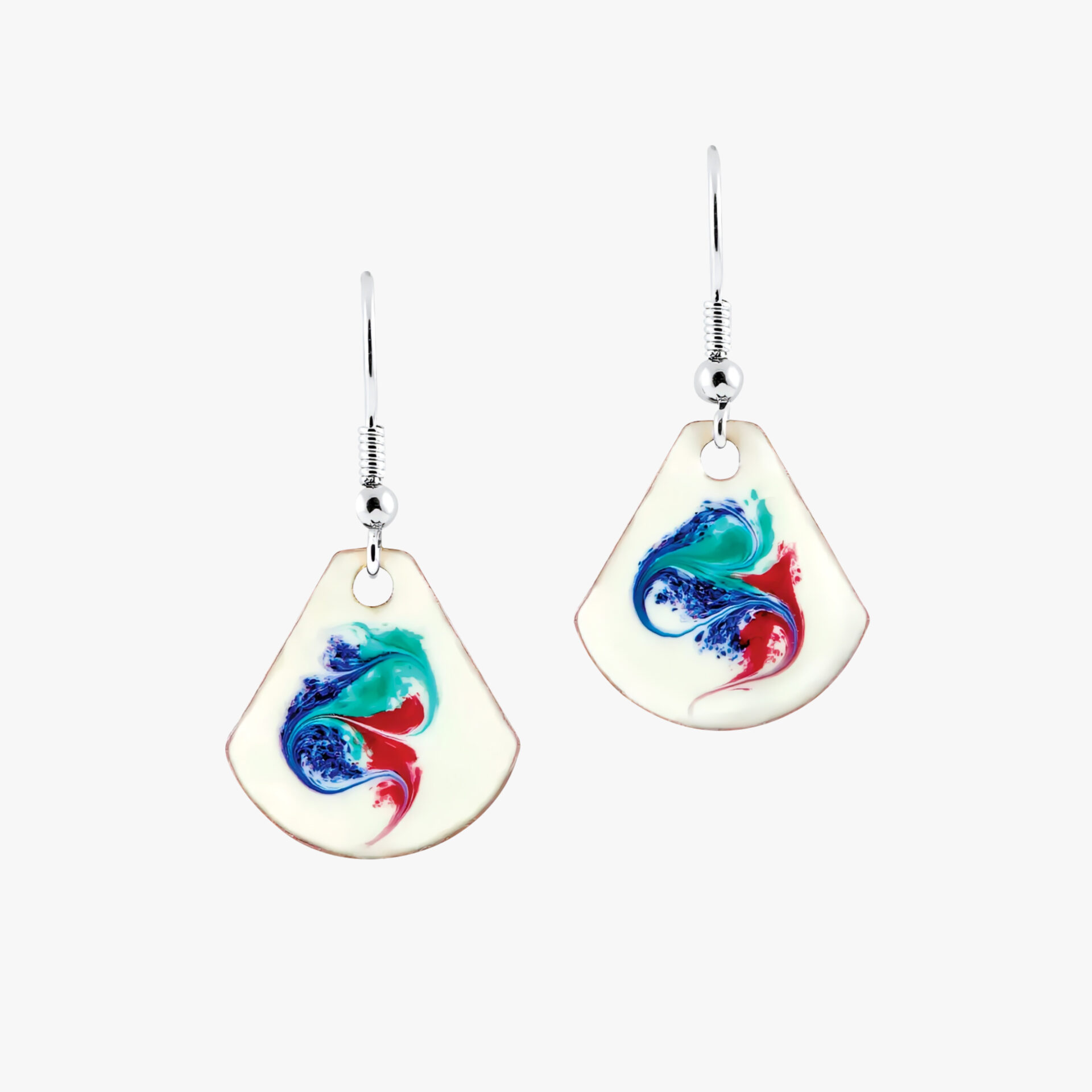
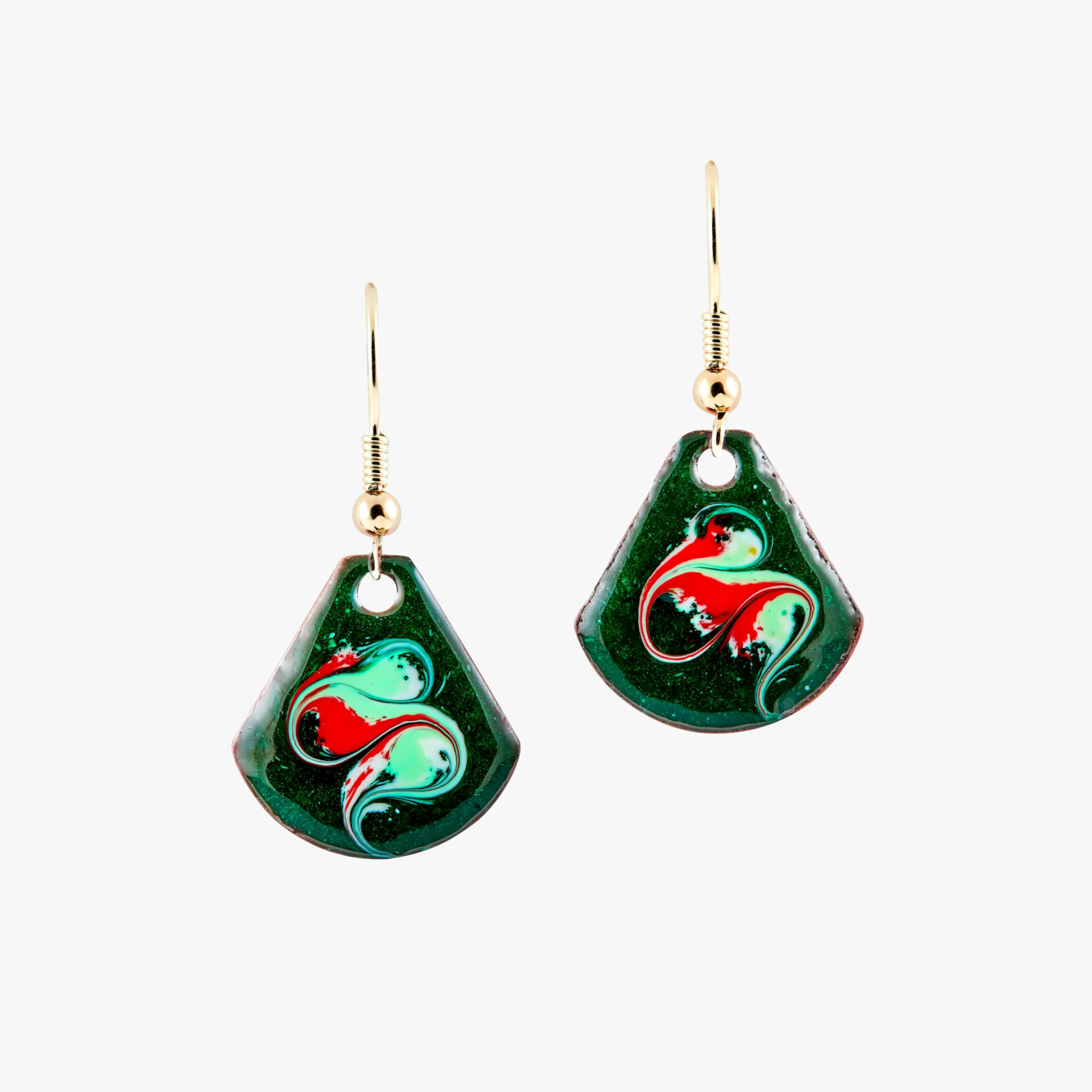
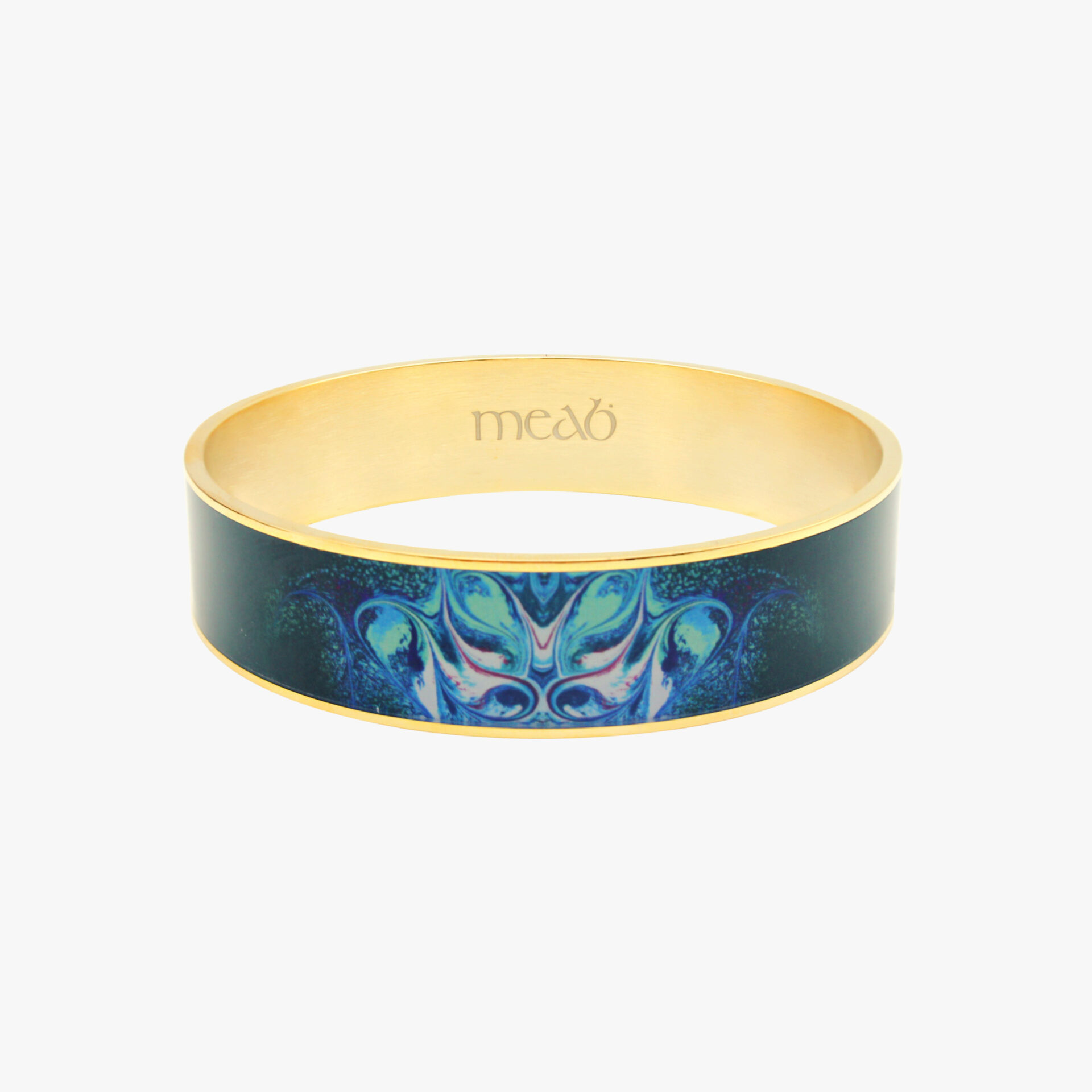
Some sterling silver jewellery includes enamel decoration. Enamel is created by fusing powdered glass onto metal at high temperatures, producing a smooth and luminous surface.
Because enamel behaves differently from metal, it should not be polished with abrasive compounds.
Cleaning jewellery that combines sterling silver and enamel requires a softer approach. Warm water, mild soap and a soft cloth are sufficient to remove residue while preserving both the metal and the enamel surface.
This method respects the material and maintains the integrity of the piece.
How to Prevent Sterling Silver Jewellery from Tarnishing
Cleaning silver jewellery is only part of caring for the metal. Storage conditions also play an important role.
Sterling silver tarnishes more quickly when exposed to air and humidity. Storing jewellery in a dry container or a lined jewellery box helps slow this process. Soft pouches can also protect the surface from scratches while limiting exposure to the environment.
Removing jewellery before applying perfume, lotion or cosmetic products can further protect the metal. These substances may accelerate chemical reactions on the surface of silver.
With these small precautions, the brightness of sterling silver can be preserved for much longer periods.
The Quiet Longevity of Sterling Silver
Sterling silver is a material that evolves gently with time. Its surface reflects the life of the object itself: the moments it has been worn, the environments it has encountered, the gestures of care that have maintained it.
Cleaning sterling silver jewellery is therefore less about restoring perfection than about revealing the material again.
With simple attention and patient care, silver continues to carry the same calm brightness that first made it recognisable.
And this is perhaps the enduring quality of sterling silver: a metal that does not demand perfection, only respect.