








Magazine
How to Remove Earrings Safely: A Precise Approach to Handling Each Piece
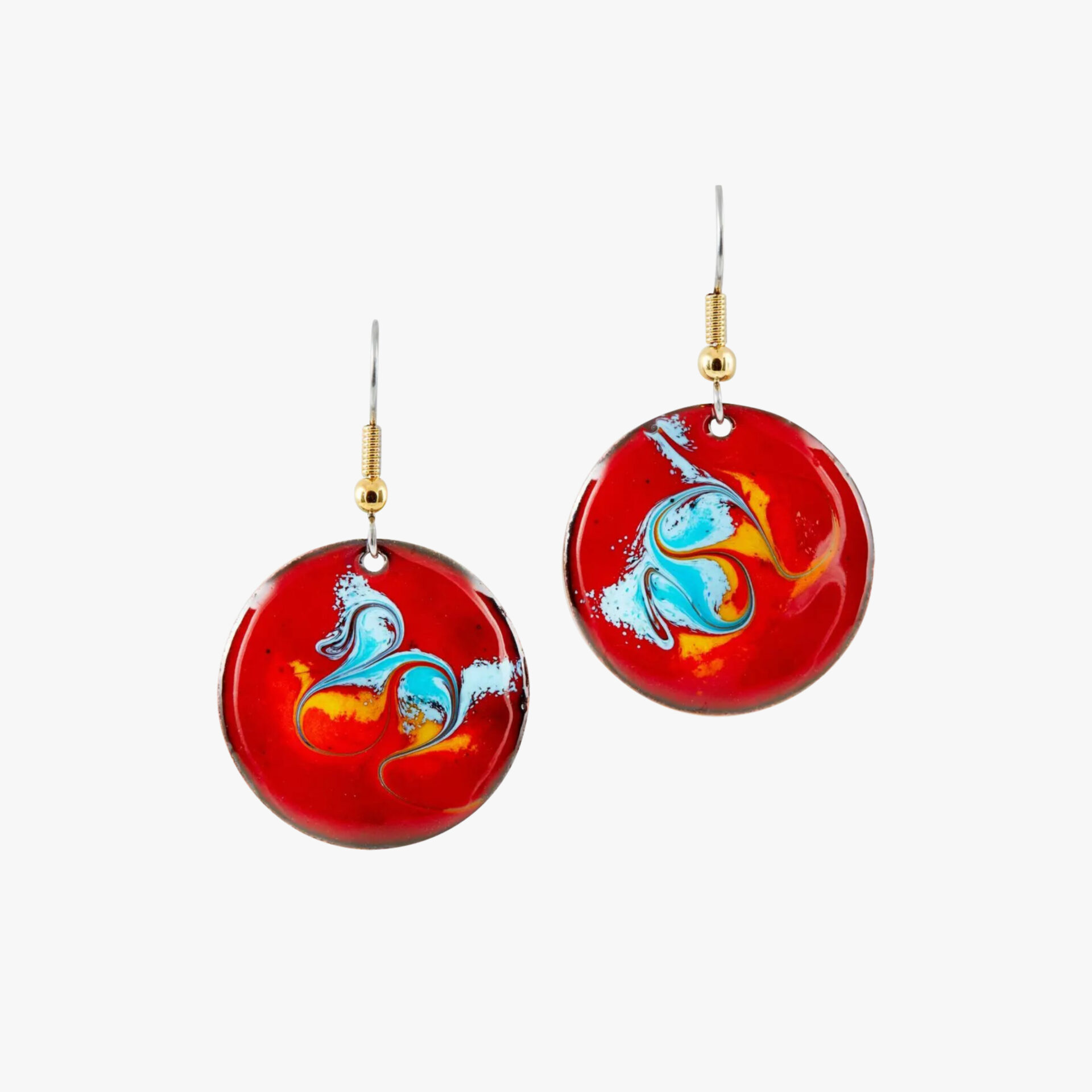
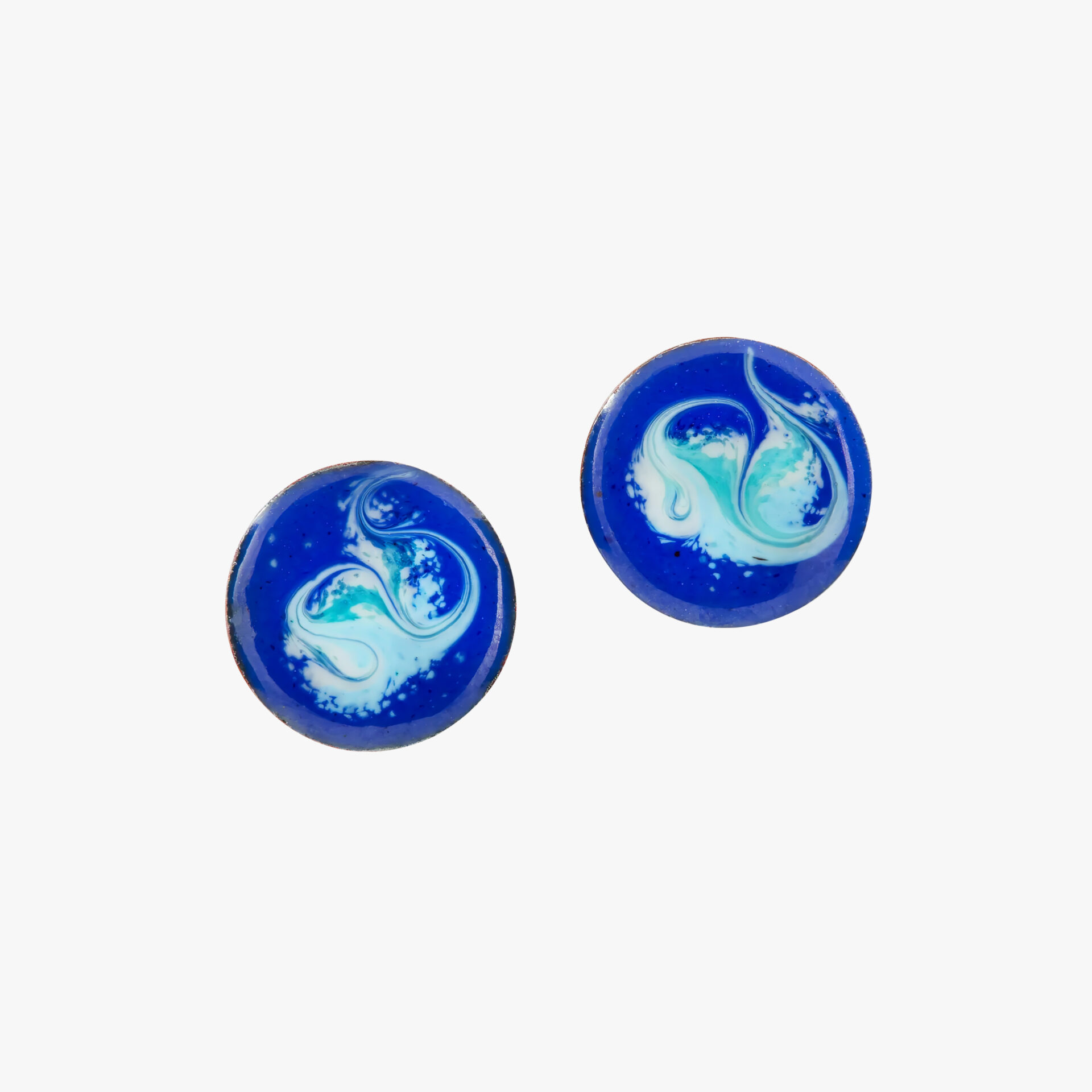
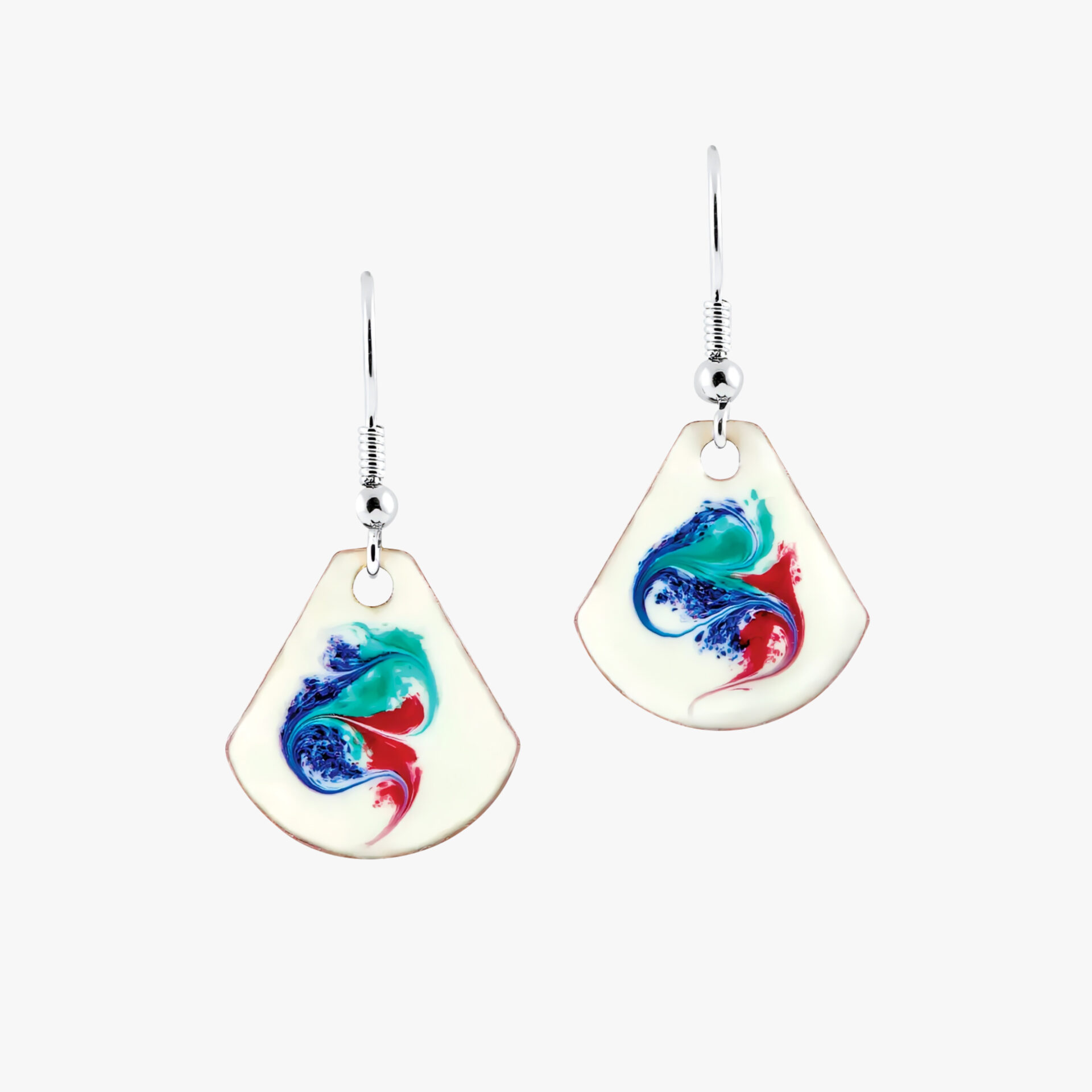
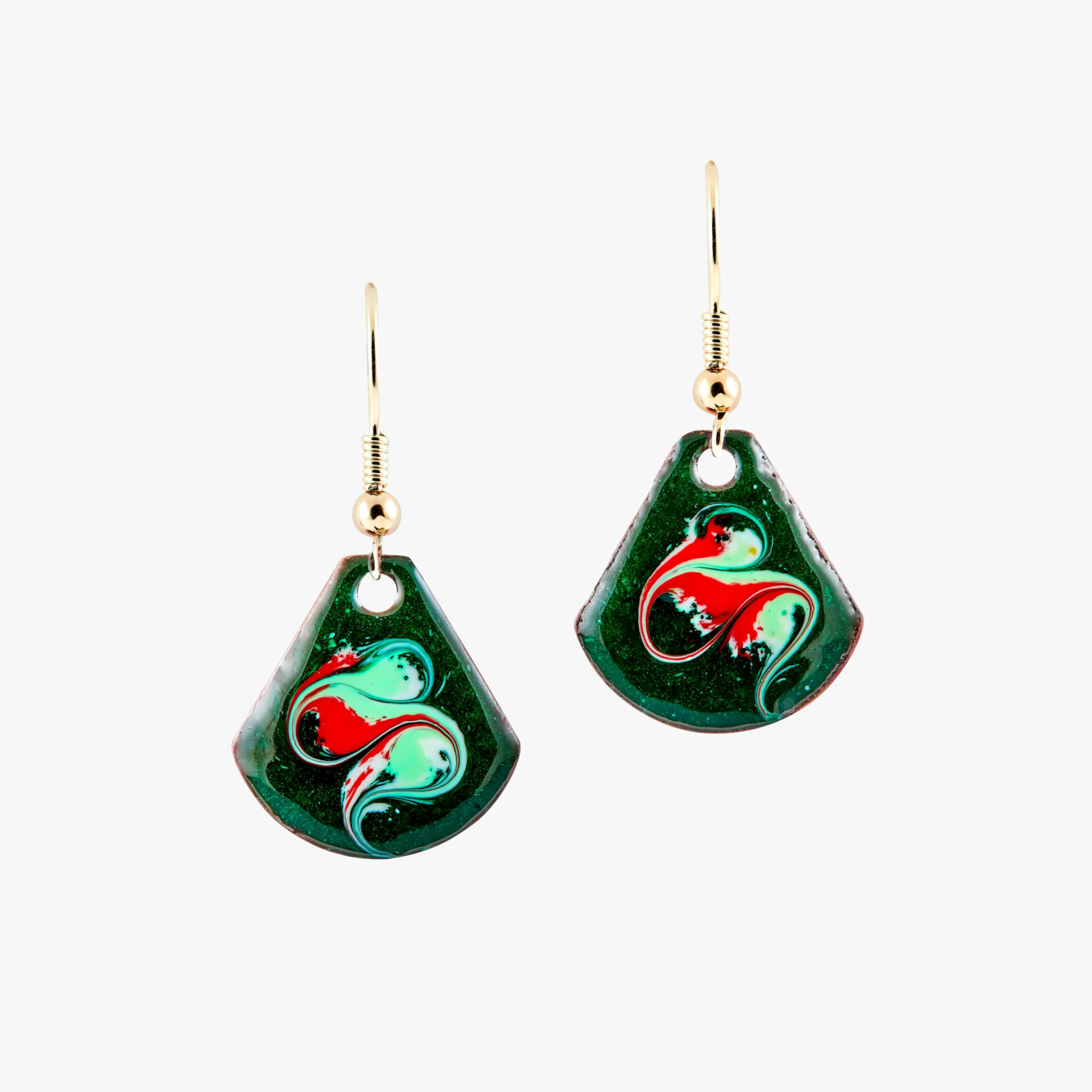
A smooth enamel surface. A subtle variation in colour. A fastening calibrated to hold without excess pressure.
Before any movement, the piece already indicates how it should be handled.
Removing earrings is not a secondary gesture. It is part of the object’s lifecycle. Done with precision, it preserves both the structure of the jewellery and the balance of the ear. Done without attention, it introduces tension where none is needed.
This guide sets out a clear, controlled method for removing different types of earrings, with the same discipline applied in their making.
Understanding the Structure Before the Gesture
Every earring is constructed around a specific system of attachment. The removal follows that system in reverse. What appears simple at first often relies on a precise internal logic.
Stud earrings, for example, may look similar but differ in the way they are secured. A push-pin stud relies on calibrated pressure between the post and the front element. A screw-in design depends on a threaded connection, where stability is created through rotation rather than friction. Safety-back earrings introduce a more enclosed mechanism, requiring a slight release rather than a direct pull.
Hoop and ring earrings conceal their opening within the continuity of their form. A seamless ring integrates a hinge so discreetly that the closure becomes almost invisible. A captive bead ring holds its shape through tension, with the bead acting as the point of balance.
Barbells and other piercing jewellery are built for stability over time. Their structure is direct, often relying on a removable end that unscrews from a fixed bar. Even in their simplicity, the movement required remains specific.
Recognising these distinctions is essential. The correct gesture is always minimal. It follows the design, rather than resisting it.
The General Method: Removing Earrings Without Strain
The act of removal should remain controlled, without acceleration or force. It begins with preparation, not movement.
Clean hands and a stable position are not secondary precautions. They are part of the gesture itself. They ensure that the piece can be handled without slipping, and that the skin remains undisturbed.
Once prepared, the earring should be stabilised. The front element is held separately from the backing or post. This separation allows the mechanism to be released rather than pulled apart. The intention is not to remove the earring through force, but to disengage it through alignment.
The movement itself depends on the structure. A push-pin stud responds to a slight twist followed by a gentle pull. A screw-in stud requires a slow counterclockwise rotation. A hinged hoop opens when the closure is located and released with light pressure. A barbell loosens through a careful unscrewing of one end.
If resistance appears, it should not be countered. Resistance is rarely mechanical. It is often the result of natural accumulation on the surface. In such cases, the response is not force, but preparation.
The pace remains steady. Precision replaces speed.
Removing Flat Back Earrings
Flat back earrings are designed to sit close to the skin, creating a stable and unobtrusive presence. Their removal depends on maintaining that same stability.
The flat back should be held firmly between two fingers, aligned with the ear. The front element is then twisted gently. In some cases, a slight pull may accompany the rotation, but the movement remains contained. The release occurs through alignment rather than strength.
When the piece does not move easily, the cause is often a fine layer of buildup around the post. A warm, damp cloth applied briefly to the area softens this layer and reduces friction. Once the surface is relaxed, the same controlled movement is sufficient to release the earring.
There is no need to increase pressure. The structure has not changed. Only the surface conditions have.
Removing Earrings from Piercings
For healed piercings, the method remains consistent, with additional attention given to the skin.
The area should be cleaned before any movement. A saline solution is sufficient to reduce friction and maintain comfort. This step prepares both the skin and the earring for a smoother release.
The fastening system must then be identified. Whether threaded, pressure-based or hinged, each mechanism responds to a specific gesture. The movement is applied accordingly, always with minimal pressure.
If discomfort appears, the process pauses. The area can be cleaned again before continuing. The goal is not to complete the action quickly, but to complete it without strain.
A piece that resists should not be forced. The structure is designed to release. When it does not, the cause lies elsewhere.
When the Earring Does Not Release Easily
A resistant earring rarely indicates a fault in the piece itself. More often, it reflects a temporary condition at the surface.
Warm water is often sufficient to soften the area. A short exposure relaxes both the skin and any residue around the post. This simple step frequently restores the natural movement of the mechanism.
In certain cases, a minimal amount of neutral oil can be applied to reduce friction. The application remains precise, and any excess is removed afterwards. The aim is to assist the movement, not to alter the material.
When additional control is needed, a fine tool such as tweezers may be used to stabilise a small component. The tool remains secondary. It supports the hand, without replacing it.
If the earring continues to resist, the appropriate response is to seek professional assistance. A trained piercer can release the piece without altering its structure or affecting the piercing.
After Removal: Preserving the Piece
The moment after removal is part of the same process. It extends the life of the piece and maintains its balance.
A soft cloth is sufficient to remove surface traces. This simple gesture prevents the gradual accumulation of residue and preserves the finish of the material.
For more detailed care guidance, see our guide on how to clean earrings.
Storage should be considered with the same attention. Each piece benefits from being placed in a dedicated space, protected from contact with others. This avoids friction and preserves the precision of its form.
Over time, mechanisms evolve subtly. Threads may loosen, hinges may shift, and backs may lose tension. A brief inspection allows these changes to be observed early and corrected when necessary.
A Final Consideration
An earring is not removed by opposition. It is released through an understanding of its structure.
At Meab Enamels, each piece is shaped through controlled gestures, where material, colour and form are aligned through process rather than standardisation. The same logic applies when it is handled.
The object defines the gesture.
The gesture preserves the object.
Handled with attention, the piece retains its form over time, remaining consistent in both appearance and function. It continues to be what it was intended to be from the beginning: a precise object, made to be worn, and to endure.
Frequently Asked Questions
How do I remove earrings in general?
Start with clean hands and a well-lit space. Identify your earring type, then gently twist, pull, or unscrew the decorative piece while stabilizing the back. Always work slowly and carefully to avoid any damage.
How do I remove flat back earrings?
Hold the flat back securely with one hand and gently twist or pull the decorative front away. If the earring is stuck, try applying a warm, damp cloth around the area to loosen any buildup before attempting removal again.
How do I remove piercing earrings?
Ensure your piercing area is clean by using a saline solution. Then, identify the removal mechanism (twist, unscrew, or latch-release) and gently remove the earring. If you encounter resistance or discomfort, stop immediately and consult a professional.